Within AI Bloom Futures
AI Medicine and Longevity
AI could help find disease earlier and speed drug discovery, but patients only benefit when evidence, safety, and access hold up.
On this page
- Earlier diagnosis and screening
- Drug discovery and clinical bottlenecks
- Longevity hopes versus medical proof
Page outline Jump by section
Introduction
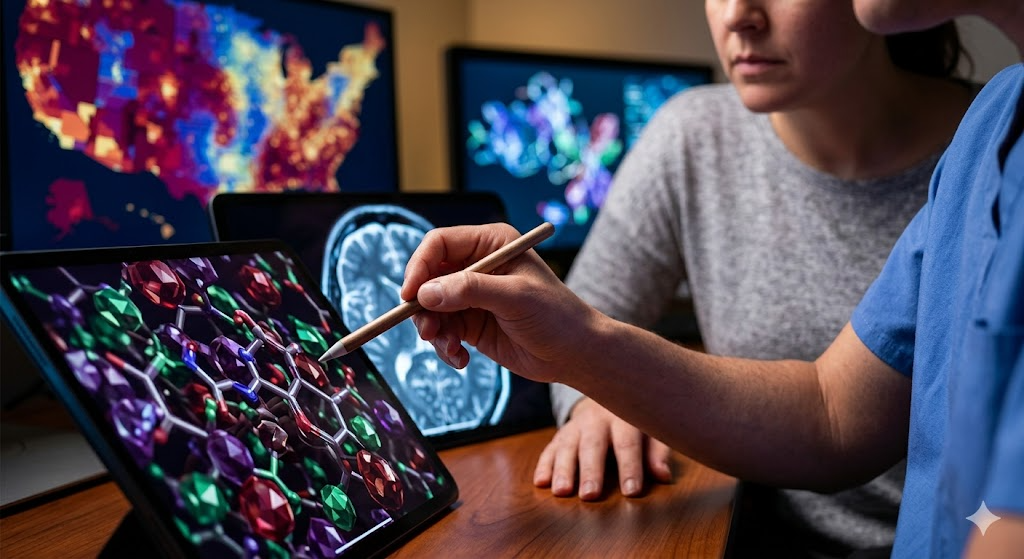
AI medicine is one of the most concrete tests of the AI bloom idea. If advanced AI helps people live healthier, longer lives, the benefit will not feel abstract: it will mean tumours found earlier, rare diseases diagnosed faster, clinical trials designed better, medicines discovered with less wasted time, and eventually a shift from late-stage treatment towards prevention and longer healthspan. The evidence is promising, but not magical. AI already performs useful tasks in screening, imaging, protein modelling, trial design, and biomedical research; yet patients benefit only when tools are clinically validated, safely deployed, affordable, and monitored across real populations. The central question is therefore not whether AI can produce impressive medical predictions. It is whether those predictions can be turned into reliable care, better outcomes, and broad access rather than another layer of expensive technology.
Earlier diagnosis is the strongest near-term case
The clearest current evidence for AI medicine is in medical imaging, especially areas where doctors already interpret large volumes of standardised scans. Radiology is a natural starting point because image-recognition models can be trained on many labelled examples, and because missed findings or delayed readings can have serious consequences. The US Food and Drug Administration’s public list of AI-enabled medical devices is dominated by radiology products, with many tools intended to flag, segment, measure, or prioritise findings in scans. The FDA says listed devices have met applicable premarket requirements for their intended use, while also warning that the list is not comprehensive and will continue to evolve. [U.S. Food and Drug Administration]fda.govSource details in endnotes.
Breast cancer screening shows why this matters. In standard mammography programmes, scans may be double-read by radiologists to reduce misses. AI can act as a triage tool, a second reader, or a way to prioritise higher-risk images. The important question is not whether an algorithm can score well on a benchmark, but whether it reduces missed cancers without causing too many false alarms, unnecessary biopsies, or extra anxiety.
The Swedish MASAI trial is a major proof point because it tested AI-supported mammography in a large, population-based, randomised screening setting rather than only in a retrospective dataset. The 2026 Lancet report compared AI-supported screening with standard double reading and focused on interval cancers: cancers diagnosed between screening rounds that were not detected at the screening visit. That outcome matters because it is closer to the patient’s real concern — “was something dangerous missed?” — than a model accuracy score alone. [PubMed]pubmed.ncbi.nlm.nih.govSource details in endnotes.
Reports on the MASAI findings indicate that AI-supported screening reduced later interval cancer diagnoses by about 12%, increased early detection, and did so while using a workflow in which low-risk cases could receive single reading and higher-risk cases double reading, with AI also highlighting suspicious findings. The study involved more than 100,000 women in Sweden, making it one of the most important real-world tests of AI in cancer screening to date. [The Guardian]theguardian.comLead researcher Dr. Kristina Lång emphasized AI’s potential to ease radiologists’ workload and detect cancers earlier, though she caution…
The NHS trial announced in England shows the next stage of the question: whether encouraging trial results can be translated into a national health-system workflow. The planned trial covers about 700,000 mammograms and is designed to test whether AI can safely support breast cancer screening at scale, potentially reducing workload while maintaining accuracy. That is the “bloom” mechanism in miniature: not simply replacing a doctor, but stretching scarce expert attention further so more people receive timely care. [The Guardian]theguardian.comLead researcher Dr. Kristina Lång emphasized AI’s potential to ease radiologists’ workload and detect cancers earlier, though she caution…
The caution is that screening is full of trade-offs. A more sensitive tool can find more disease, but it can also increase false positives, overdiagnosis, follow-up scans, biopsies, and psychological harm. The best AI screening systems will need to prove that they improve outcomes that matter: fewer late diagnoses, fewer unnecessary procedures, faster reporting, and no hidden loss of quality for groups under-represented in training data.
AI medicine works best when it helps clinicians, not when it pretends care is automatic
The most credible near-term model is human-AI collaboration. In medicine, the cost of a confident error can be severe, and the clinical setting is messy: poor-quality images, incomplete notes, co-existing illnesses, unusual symptoms, local workflows, legal duties, and patient preferences. AI can help by drawing attention to patterns, ranking risk, summarising records, or suggesting possibilities, but a safe system must still make clear who is responsible for the decision.
This is why “AI as a second set of eyes” is more convincing than “AI doctor”. In imaging, a tool may flag a small suspicious region; in emergency care, it may prioritise a scan; in pathology, it may help quantify tissue features; in primary care, it may summarise long medical histories. Each use can be valuable without pretending that the whole consultation has been automated.
The World Health Organization’s guidance on large multi-modal models in health draws this boundary clearly. It notes possible uses in diagnosis and clinical care, patient-facing symptom support, administration, education, and research, but also warns about false or incomplete outputs, biased training data, automation bias, cybersecurity risks, privacy risks, and unequal access to the best-performing systems. [World Health Organization]who.intSource details in endnotes.
That warning is not anti-innovation. It is the condition for useful innovation. A medical AI tool that works well in a controlled demonstration but fails in a busy hospital, performs worse for certain ethnic groups, or encourages staff to overlook obvious errors is not a route to healthier lives. The practical standard should be: does this system improve the care pathway for real patients, under real constraints, with measured safety across the people who will actually use it?
Drug discovery could speed up, but clinical proof remains the bottleneck
AI drug discovery is the most dramatic part of the healthier-lives story because it points beyond operational efficiency towards new treatments. Modern drug development is slow partly because biology is complex: researchers must identify a disease mechanism, find a target, design a molecule, test whether it binds, check safety, optimise dosing, manufacture reliably, and then run clinical trials. AI can help at several stages, but not all bottlenecks are equally easy to compress.
Protein-structure prediction changed the early discovery landscape. AlphaFold 3, released by Google DeepMind and Isomorphic Labs in 2024, was presented as a model that can predict structures and interactions across proteins, DNA, RNA, ligands, and other molecules. That does not automatically create drugs, but it can give researchers better starting maps for understanding disease biology and molecular binding. [isomorphiclabs.com]isomorphiclabs.comAlpha Fold 3 predicts the structure and interactions of all of life’s moleculesAlpha Fold 3 predicts the structure and interactions of all of life’s molecules
The FDA has also acknowledged the growing use of AI across the drug product life cycle, including in submissions involving drug development. Its work on AI in drug development is important because discovery claims eventually have to meet regulatory standards: evidence, traceability, safety, quality, and a clear explanation of how the AI component affects decisions. [U.S. Food and Drug Administration]fda.govSource details in endnotes.
A concrete example is Insilico Medicine’s generative AI-discovered TNIK inhibitor for idiopathic pulmonary fibrosis. The Nature Medicine phase 2a trial, published in 2025, is important because it moves the discussion from “AI found an interesting molecule” to “an AI-discovered candidate has entered controlled human testing”. That is still not the same as an approved medicine, but it is a stronger form of evidence than a press release or laboratory-only result. [Nature]nature.comOpen source on nature.com.
The hard truth is that clinical trials remain slow, expensive, and failure-prone. AI can propose molecules, predict properties, search literature, model toxicity, identify patients, and improve trial protocols, but human biology still has to answer back. A drug that looks elegant in a model may fail because of side effects, dosing, metabolism, weak efficacy, manufacturing problems, or because the disease mechanism was misunderstood. Reuters reporting on clinical-trial services in 2026 captured this distinction: AI may help recruitment, data analysis, and protocol work, but trial execution, patient care, compliance, and safety monitoring still require human infrastructure and regulatory oversight. [Reuters]reuters.comAI-led selloff in contract research firms may be misjudging disruption riskWhile AI can automate tasks like patient pre-screening, critical functions such as patient recruitment, trial compliance, and safety moni…
This is why the optimistic case should be framed as acceleration, not instant cure. AI may increase the number of plausible candidates, reduce wasted experiments, improve target selection, and make some trials smarter. Over decades, those changes could compound into more treatments for cancer, autoimmune disease, neurodegeneration, rare disease, and infections. But the road from candidate to clinic still runs through evidence.
Longevity is promising, but the word “proof” matters
Longevity is where AI medicine becomes most exciting and most vulnerable to hype. A healthier long future would not merely add frail years at the end of life; it would extend healthspan — the period of life spent with good function, independence, and low disease burden. AI could contribute by identifying ageing biomarkers, detecting risk earlier, personalising prevention, finding drugs that affect ageing pathways, and helping researchers understand why different organs age at different rates.
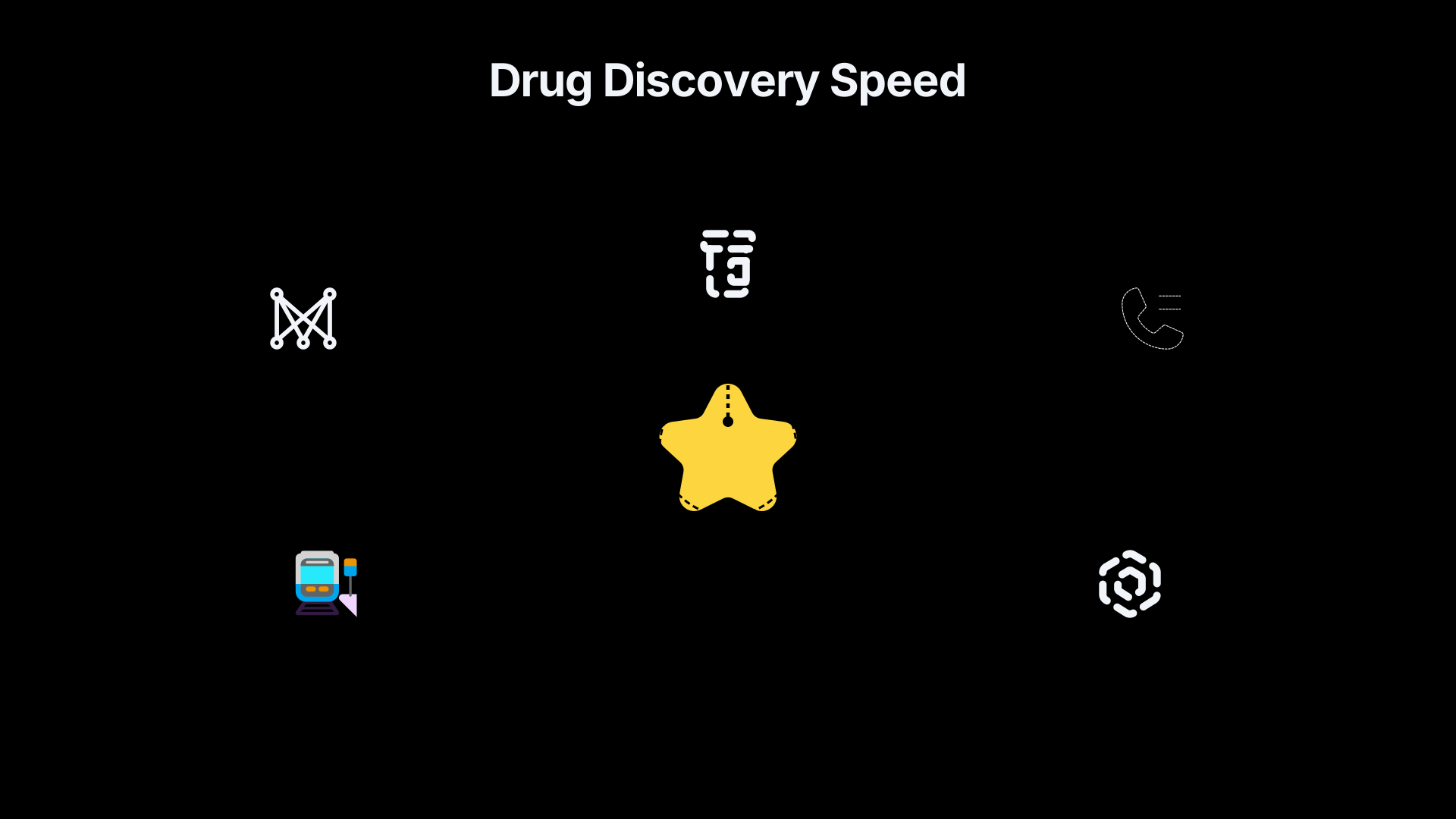
Recent ageing research increasingly uses machine learning to build “biological clocks”: models that estimate ageing-related risk from blood proteins, DNA methylation, imaging, wearables, routine clinical data, or combinations of these. Nature Aging papers in 2025 described multi-organ and proteomic ageing clocks, including work using UK Biobank-scale plasma protein data and studies aimed at predicting disease and longevity across populations. These are important research tools because they may help scientists measure changes before waiting decades for disease or death outcomes. [Nature]nature.comOpen source on nature.com.
But a clock is not a cure. A model that predicts higher risk does not prove that changing the model’s score will make someone live longer. Ageing biomarkers must be validated against meaningful outcomes, tested across diverse groups, and shown to respond reliably to interventions. Nature Aging has emphasised the need to improve discovery and clinical translation of ageing biomarkers, which is another way of saying that the field needs better bridges between measurement and medical decision-making. [Nature]nature.comOpen source on nature.com.
This distinction matters for readers because longevity marketing often outruns medicine. AI may find patterns in enormous datasets, but ageing is multi-system, slow, and deeply causal. A correlation between a protein pattern and mortality risk can generate hypotheses; it does not by itself justify treatment. The useful promise is not that an app will tell everyone their “real age” with final authority. It is that better measurement could make prevention and ageing research more testable.
There are early signs of how this might work. Machine-learning models can combine molecular data, clinical measures, and wearable signals to map ageing across organs or physiological systems. A 2026 preprint, for example, proposed a multimodal ageing framework using proteomics, wearables, and mortality risk to estimate biological age and nominate possible interventions. Because it is a preprint, it should not be treated as settled clinical evidence, but it illustrates the direction: AI may help connect continuous health data with biological mechanisms and intervention testing. [MedRxiv]medrxiv.orgSource details in endnotes.
In an AI bloom future, longevity medicine would be valuable only if it is medical rather than cosmetic: preventing dementia, frailty, heart disease, immune decline, kidney failure, sensory loss, and disability. The highest prize is not a richer version of today’s anti-ageing market. It is a healthcare system that notices decline earlier, tests prevention rigorously, and makes extra healthy years broadly available.
Access is not automatic
Medical AI could widen or narrow health inequality. It could help understaffed clinics read scans, support remote triage, translate specialist knowledge, reduce diagnostic delays, and lower the cost of some parts of care. It could also concentrate the best tools in wealthy hospitals, charge high licensing fees, embed biases from historical data, and shift risk onto patients who receive automated advice without adequate human support.
Bias is not a theoretical concern. AI systems trained on electronic health records can inherit the patterns of unequal care already present in the data: who received tests, whose pain was believed, who had access to specialists, and which populations were underdiagnosed. Reuters reported in 2025 on Nature Medicine work finding that healthcare AI models could alter recommendations according to socioeconomic and demographic profiles even when clinical cases were otherwise identical. [Reuters]reuters.comHealth Rounds: AI can have medical care biases too, a study revealsHealth Rounds: AI can have medical care biases too, a study reveals
WHO’s guidance also stresses that large health models may produce biased or incomplete outputs and that governments should require oversight, post-release auditing, impact assessments, and attention to outcomes across groups such as age, race, and disability. [World Health Organization]who.intSource details in endnotes.
For AI medicine to support human flourishing, access has to be designed into deployment. That means public health systems should not only buy tools, but test whether they work for their own populations. It means evaluation should include subgroup performance, language access, disability access, rural and low-resource settings, and the effect on waiting times. It also means patients should know when AI is being used in their care and how to challenge or understand a decision.
The hopeful version is powerful: a small hospital without enough specialists could gain decision support that previously belonged only to major academic centres. The darker version is also plausible: affluent patients get high-quality AI-assisted prevention while poorer patients get cheap automated gatekeeping. Which version emerges depends less on the algorithm alone than on procurement, regulation, reimbursement, public infrastructure, and professional standards.
Safety, regulation, and post-market monitoring decide whether the promise holds
Medical AI is not like a normal consumer app. A model can fail silently, drift as clinical practice changes, perform differently on a new scanner, or interact badly with workflow. A tool may be safe when used by trained specialists but dangerous when marketed directly to patients. For adaptive or frequently updated systems, the traditional idea of approving one fixed product becomes more difficult.
FDA device authorisation is therefore only part of the safety picture. The FDA’s AI-enabled medical device list helps transparency, but its own description notes that public summaries may not include all submitted information and that the list is not comprehensive. [U.S. Food and Drug Administration]fda.govSource details in endnotes.
Independent research has raised concerns about the depth of public evidence for authorised AI medical devices. A JAMA study discussed in early 2026 examined FDA-cleared AI/ML devices through 2023 and found gaps in reporting of study design, training sample size, demographic information, prospective evidence, and patient outcomes. The key lesson is not that authorised devices are useless, but that public evidence often remains thinner than patients and clinicians might assume. [Reddit]reddit.comSource details in endnotes.
Safety concerns are also appearing in adverse-event reporting. Reuters investigated AI-enabled surgical and diagnostic devices and reported cases involving alleged malfunctions, injuries, misidentified body parts, and recall concerns, while also noting that FDA adverse-event reports are incomplete and cannot alone prove causation. That nuance matters: one should not infer every bad outcome was caused by AI, but neither should one assume that medical AI becomes safe simply because it is software. [Reuters]reuters.comDespite the claims, the manufacturer, now Integra LifeSciences, denies any causal link between the AI and reported injuries. Similar issu…
A mature AI-medicine system needs several layers of protection:
- Clinical validation before deployment: prospective testing where possible, not only retrospective benchmark performance.
- Clear intended use: a tool built to support radiologists should not be casually repurposed as a general diagnostic authority.
- Human accountability: clinicians need to understand when to rely on AI, when to override it, and how to document decisions.
- Post-market surveillance: performance should be monitored after rollout, including drift, subgroup errors, false positives, false negatives, and patient outcomes.
- Transparency for patients: people should know when AI materially affects diagnosis, triage, treatment choice, or access to care.
These safeguards are not obstacles to medical progress. They are what allow progress to survive contact with real patients.
What would count as real medical bloom?
A genuine AI-enabled bloom in medicine would be visible in ordinary life. More cancers would be found at treatable stages. Fewer people would spend years seeking a diagnosis for complex or rare symptoms. Drug discovery would produce more effective treatments, not just more investor presentations. Ageing research would move from vague wellness claims towards validated prevention of frailty and disease. Clinicians would spend less time on repetitive administrative work and more time with patients. High-quality care would become easier to access outside rich urban centres.
The strongest version reaches further still. If advanced AI can accelerate biology, chemistry, clinical trial design, public health, and personalised prevention at the same time, medicine could shift from a system largely organised around late intervention to one organised around early detection and health maintenance. Over decades, that could mean longer healthy lives, fewer families devastated by preventable disease, and more human time available for learning, relationships, creativity, and contribution.
But there are three tests the optimistic case must pass.
First, prediction must become proof. AI models that detect signals, generate molecules, or estimate biological age are useful only when linked to better clinical outcomes. Medicine cannot run on plausible pattern recognition alone.
Second, innovation must reach patients through systems. A discovery that cannot be manufactured, regulated, reimbursed, explained, staffed, or delivered is not yet healthcare. The bottlenecks include hospitals, trials, public budgets, professional training, liability, and trust.
Third, health gains must be broadly shared. If AI medicine becomes a premium layer for the wealthy while public systems receive weaker automation, it will not support human flourishing in any serious sense. The bloom case depends on access, not only invention.
The balanced answer is that AI medicine is already showing real promise, especially in screening and biomedical discovery, but the leap from useful tool to healthier civilisation depends on evidence, safety, governance, and distribution. AI can help humanity live healthier and possibly longer lives. It will do so only if medicine treats it as a powerful instrument to be tested, monitored, and shared — not as a shortcut around proof.
Endnotes
-
Source: fda.gov
Link: https://www.fda.gov/medical-devices/software-medical-device-samd/artificial-intelligence-enabled-medical-devices -
Source: who.int
Link: https://www.who.int/news/item/18-01-2024-who-releases-ai-ethics-and-governance-guidance-for-large-multi-modal-models -
Source: who.int
Link: https://www.who.int/publications/i/item/9789240084759 -
Source: isomorphiclabs.com
Title: Alpha Fold 3 predicts the structure and interactions of all of life’s molecules
Link: https://www.isomorphiclabs.com/articles/alphafold-3-predicts-the-structure-and-interactions-of-all-of-lifes-molecules -
Source: fda.gov
Link: https://www.fda.gov/about-fda/center-drug-evaluation-and-research-cder/artificial-intelligence-drug-development -
Source: fda.gov
Link: https://www.fda.gov/science-research/science-and-research-special-topics/artificial-intelligence-and-machine-learning-aiml-drug-development?trk=public_post_comment-text -
Source: nature.com
Link: https://www.nature.com/nature-index/article/10.1038/s41591-025-03743-2 -
Source: nature.com
Link: https://www.nature.com/articles/s41591-025-03743-2 -
Source: reuters.com
Title: AI-led selloff in contract research firms may be misjudging disruption risk
Link: https://www.reuters.com/business/healthcare-pharmaceuticals/ai-led-selloff-contract-research-firms-may-be-misjudging-disruption-risk-2026-03-31/Source snippet
While AI can automate tasks like patient pre-screening, critical functions such as patient recruitment, trial compliance, and safety moni...
-
Source: nature.com
Link: https://www.nature.com/articles/s43587-025-00928-9 -
Source: nature.com
Link: https://www.nature.com/articles/s43587-025-01016-8 -
Source: nature.com
Link: https://www.nature.com/articles/s43587-025-00838-w -
Source: medrxiv.org
Link: https://www.medrxiv.org/content/10.64898/2026.05.08.26352759v1 -
Source: medrxiv.org
Link: https://www.medrxiv.org/content/10.64898/2026.05.08.26352759v1.full-text -
Source: reuters.com
Title: Health Rounds: AI can have medical care biases too, a study reveals
Link: https://www.reuters.com/business/healthcare-pharmaceuticals/health-rounds-ai-can-have-medical-care-biases-too-study-reveals-2025-04-09/ -
Source: reddit.com
Link: https://www.reddit.com/r/RegulatoryClinWriting/comments/1q52aj6/a_jama_study_of_691_fdacleared_aiml_devices_finds/ -
Source: reuters.com
Link: https://www.reuters.com/investigations/ai-enters-operating-room-reports-arise-botched-surgeries-misidentified-body-2026-02-09/Source snippet
Despite the claims, the manufacturer, now Integra LifeSciences, denies any causal link between the AI and reported injuries. Similar issu...
-
Source: medrxiv.org
Link: https://www.medrxiv.org/content/10.64898/2026.05.08.26352766v1?rss=1 -
Source: nature.com
Link: https://www.nature.com/articles/s44387-026-00094-2 -
Source: nature.com
Link: https://www.nature.com/articles/s41571-026-01143-0 -
Source: digital.nhs.uk
Title: england 2024 2025
Link: https://digital.nhs.uk/data-and-information/publications/statistical/breast-screening-programme/england-2024-2025 -
Source: digital.nhs.uk
Link: https://digital.nhs.uk/data-and-information/publications/statistical/breast-screening-programme/england-2024-2025/introduction-copy -
Source: drugs.com
Link: https://www.drugs.com/news/ai-supported-mammography-screening-noninferior-double-reading-interval-cancer-rate-128672.html -
Source: nature.com
Link: https://www.nature.com/articles/s41514-025-00313-1 -
Source: nature.com
Title: Do we actually need aging clocks? | npj Aging
Link: https://www.nature.com/articles/s41514-025-00312-2 -
Source: who.int
Link: https://www.who.int/europe/publications/i/item/WHO-EURO-2025-12707-52481-81028 -
Source: nature.com
Link: https://www.nature.com/articles/s41467-025-64552-2 -
Source: nature.com
Link: https://www.nature.com/articles/s43587-025-00958-3 -
Source: nature.com
Title: Metabolomic-based aging clocks | npj Metabolic Health and Disease
Link: https://www.nature.com/articles/s44324-025-00078-x -
Source: nature.com
Title: Clinical trials gain intelligence | Nature Biotechnology
Link: https://www.nature.com/articles/s41587-025-02754-1 -
Source: nature.com
Link: https://www.nature.com/articles/s41591-025-03798-1 -
Source: nature.com
Title: The AI drug revolution needs a revolution | npj Drug Discovery
Link: https://www.nature.com/articles/s44386-025-00013-6 -
Source: nature.com
Link: https://www.nature.com/articles/s43587-025-00872-8 -
Source: nature.com
Link: https://www.nature.com/articles/s41746-025-01623-0 -
Source: who.int
Link: https://www.who.int/publications-detail-redirect/9789240084759 -
Source: medrxiv.org
Link: https://www.medrxiv.org/content/10.1101/2025.03.13.25323924v1.full-text -
Source: nature.com
Title: Four ways to power-up AI for drug discovery
Link: https://www.nature.com/articles/d41586-025-00602-5 -
Source: networks.nhs.uk
Title: A I trial to tackle breast cancer launched
Link: https://networks.nhs.uk/blog/ai-trial-to-tackle-breast-cancer-launched/ -
Source: nature.com
Title: Artificial intelligence in drug development | Nature Medicine
Link: https://www.nature.com/articles/s41591-024-03434-4 -
Source: nature.com
Link: https://www.nature.com/articles/s41591-024-03408-6 -
Source: fda.gov
Link: https://www.fda.gov/regulatory-information/search-fda-guidance-documents/considerations-use-artificial-intelligence-support-regulatory-decision-making-drug-and-biological -
Source: nature.com
Link: https://www.nature.com/articles/s41587-024-02503-w -
Source: nature.com
Link: https://www.nature.com/articles/s44325-024-00031-9 -
Source: insilico.com
Link: https://insilico.com/news/tnik-ipf-phase2a -
Source: nature.com
Title: Machine learning in preclinical drug discovery | Nature Chemical Biology
Link: https://www.nature.com/articles/s41589-024-01679-1 -
Source: nature.com
Link: https://www.nature.com/articles/s41573-024-00958-9 -
Source: who.int
Title: Harnessing artificial intelligence for health
Link: https://www.who.int/teams/digital-health-and-innovation/harnessing-artificial-intelligence-for-health -
Source: who.int
Title: Artificial Intelligence for Health
Link: https://www.who.int/publications/m/item/artificial-intelligence-for-health -
Source: isomorphiclabs.com
Title: Rational drug design with Alpha Fold 3
Link: https://www.isomorphiclabs.com/articles/rational-drug-design-with-alphafold-3 -
Source: nature.com
Title: Refining the impact of genetic evidence on clinical success | Nature
Link: https://www.nature.com/articles/s41586-024-07316-0 -
Source: nature.com
Title: Drug discovery by AI trained on aging biology | Nature Aging
Link: https://www.nature.com/articles/s43587-024-00615-1 -
Source: who.int
Link: https://www.who.int/publications/i/item/9789240088108 -
Source: nature.com
Link: https://www.nature.com/articles/s41587-024-02143-0 -
Source: nature.com
Title: When can AI deliver the drug discovery hits?
Link: https://www.nature.com/articles/d41573-024-00036-0 -
Source: who.int
Link: https://www.who.int/ru/news/item/18-01-2024-who-releases-ai-ethics-and-governance-guidance-for-large-multi-modal-models -
Source: who.int
Link: https://www.who.int/es/news-room/18-01-2024-who-releases-ai-ethics-and-governance-guidance-for-large-multi-modal-models -
Source: who.int
Link: https://www.who.int/fr/news/item/18-01-2024-who-releases-ai-ethics-and-governance-guidance-for-large-multi-modal-models -
Source: who.int
Title: WH O releases AI ethics and governance guidance for large multi-modal models
Link: https://www.who.int/japan/news/detail-global/18-01-2024-who-releases-ai-ethics-and-governance-guidance-for-large-multi-modal-models -
Source: nature.com
Title: A I’s potential to accelerate drug discovery needs a reality check
Link: https://www.nature.com/articles/d41586-023-03172-6 -
Source: who.int
Link: https://www.who.int/publications/i/item/9789240037403 -
Source: who.int
Title: Ethics and governance of artificial intelligence for health
Link: https://www.who.int/publications/i/item/9789240029200 -
Source: nature.com
Link: https://www.nature.com/articles/d42473-024-00250-9 -
Source: fda.gov
Title: artificial intelligence and machine learning aiml enabled medical devices
Link: https://www.fda.gov/medical-devices/software-medical-device-samd/artificial-intelligence-and-machine-learning-aiml-enabled-medical-devices?aff_id=1314 -
Source: fda.gov
Title: artificial intelligence and machine learning aiml enabled medical devices
Link: https://www.fda.gov/medical-devices/software-medical-device-samd/artificial-intelligence-and-machine-learning-aiml-enabled-medical-devices -
Source: fda.gov
Link: https://www.fda.gov/medical-devices/digital-health-center-excellence/augmented-reality-and-virtual-reality-medical-devices -
Source: fda.gov
Link: https://www.fda.gov/medical-devices/digital-health-center-excellence/digital-health-frequently-asked-questions-faqs -
Source: who.int
Title: artificial intelligence
Link: https://www.who.int/health-topics/digital-health/artificial-intelligence -
Source: iris.who.int
Link: https://iris.who.int/handle/10665/375579 -
Source: who.int
Link: https://www.who.int/teams/health-ethics-governance/emerging-technologies/big-data-and-artificial-intelligence -
Source: iris.who.int
Link: https://iris.who.int/handle/10665/341996 -
Source: who.int
Link: https://www.who.int/publications/b/70584 -
Source: isomorphiclabs.com
Title: Our Tech
Link: https://www.isomorphiclabs.com/our-tech -
Source: isomorphiclabs.com
Title: Our Tech
Link: https://www.isomorphiclabs.com/our-approach -
Source: cancer.gov
Link: https://www.cancer.gov/clinicaltrials/NCI-2025-03020 -
Source: pubmed.ncbi.nlm.nih.gov
Link: https://pubmed.ncbi.nlm.nih.gov/41620232/ -
Source: theguardian.com
Link: https://www.theguardian.com/science/2026/jan/29/ai-use-in-breast-cancer-screening-cuts-rate-of-later-diagnosis-by-12-study-findsSource snippet
Lead researcher Dr. Kristina Lång emphasized AI’s potential to ease radiologists’ workload and detect cancers earlier, though she caution...
-
Source: theguardian.com
Title: The Guardian NHS to launch world’s biggest trial of AI breast cancer diagnosis
Link: https://www.theguardian.com/society/2025/feb/04/nhs-to-launch-worlds-biggest-trial-of-ai-breast-cancer-diagnosis -
Source: aiwiki.ai
Title: Alpha Fold 3 | AI Wiki
Link: https://aiwiki.ai/wiki/alphafold_3 -
Source: pubmed.ncbi.nlm.nih.gov
Link: https://pubmed.ncbi.nlm.nih.gov/42019500/ -
Source: pubmed.ncbi.nlm.nih.gov
Link: https://pubmed.ncbi.nlm.nih.gov/41678247/ -
Source: pubmed.ncbi.nlm.nih.gov
Link: https://pubmed.ncbi.nlm.nih.gov/41685266/ -
Source: pubmed.ncbi.nlm.nih.gov
Link: https://pubmed.ncbi.nlm.nih.gov/41419512/ -
Source: pubmed.ncbi.nlm.nih.gov
Link: https://pubmed.ncbi.nlm.nih.gov/39904652/ -
Source: weforum.org
Link: https://www.weforum.org/stories/2025/01/turning-to-nature-and-ai-in-drug-discovery/ -
Source: pubmed.ncbi.nlm.nih.gov
Link: https://pubmed.ncbi.nlm.nih.gov/39643211/ -
Source: pubmed.ncbi.nlm.nih.gov
Link: https://pubmed.ncbi.nlm.nih.gov/40182614/ -
Source: pubmed.ncbi.nlm.nih.gov
Link: https://pubmed.ncbi.nlm.nih.gov/38123253/ -
Source: pubmed.ncbi.nlm.nih.gov
Link: https://pubmed.ncbi.nlm.nih.gov/38123252/
Additional References
-
Source: youtube.com
Title: How AI and Machine Learning Are Reshaping Cancer Care – Dr. Ashley Sumrall
Link: https://www.youtube.com/watch?v=p5VG9yjo8hESource snippet
5 Podcast| Dr. Paul Yi, St. Jude | Advancing Pediatric Care with AI in Radiology and Virtual Trials...
-
Source: youtube.com
Title: How the Mayo Clinic’s AI medicine app helps in stroke prevention
Link: https://www.youtube.com/watch?v=PJmYF-DTqEsSource snippet
4 How AI and Machine Learning Are Reshaping Cancer Care – Dr. Ashley Sumrall...
-
Source: youtube.com
Title: Unlock AI’s Potential in Healthcare: Legal and Clinical Focus
Link: [https://www.youtube.com/watch?v=cGq9-LO2ig](https://www.youtube.com/watch?v=cGq9-LO2ig)Source snippet
3 How the Mayo Clinic's AI medicine app helps in stroke prevention...
-
Source: oecd.org
Title: data driven innovation in clinical pharmaceutical research a2e9c43e
Link: https://www.oecd.org/en/publications/artificial-intelligence-in-science_a8d820bd-en/full-report/data-driven-innovation-in-clinical-pharmaceutical-research_a2e9c43e.html -
Source: researchgate.net
Link: https://www.researchgate.net/publication/380223979_How_successful_are_AI-discovered_drugs_in_clinical_trials_A_first_analysis_and_emerging_lessons -
Source: researchgate.net
Link: [https://www.researchgate.net/publication/385509112The_bias_algorithm_how_AI_in_healthcare_exacerbates_ethnic_and_racial_disparities-a_scoping_review](https://www.researchgate.net/publication/385509112_The_bias_algorithm_how_AI_in_healthcare_exacerbates_ethnic_and_racial_disparities-_a_scoping_review) -
Source: infiuss.com
Link: https://infiuss.com/insights/ai-in-drug-discovery-the-illusion-of-speed-and-the-reality-of-clinical-failure -
Source: epocrates.com
Link: https://www.epocrates.com/online/article/ai-assisted-mammography-matches-standard-double-reading-in-major-screening -
Source: sciencedirect.com
Link: https://www.sciencedirect.com/science/article/abs/pii/S1550413126001087 -
Source: medcloudinsider.com
Link: https://medcloudinsider.com/articles/2025/07/16/isomorphic-preps-first-human-trials-for-ai-designed-drugs.aspx
Amazon book picks
Further Reading
Books and field guides related to AI Medicine and Longevity. Use these as the next step if you want deeper reading beyond the article.
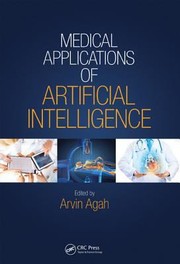
Medical Applications Of Artificial Intelligence
First published 2013. Subjects: Artificial intelligence, Medical Informatics, Medicine, Data processing, Medical Informatics Applications.
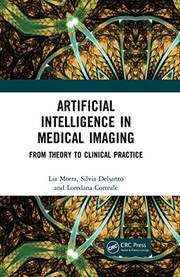
Artificial Intelligence in Medical Imaging
First published 2019. Subjects: Diagnostic imaging, Artificial intelligence, Medical applications, Diagnostic Imaging, Artificial Intelli...

Molecular Biology and Biotechnology
Rating: 3.5/5 from 6 Google Books ratings
This work features 250 articles covering topics in molecular biology, molecular medicine and biotechnology. Each article has been careful...
eBay marketplace picks
Marketplace Samples
Example marketplace items related to this page. Use the search link to explore similar finds on eBay.

Example eBay listing
A.I. Artificial Intelligence Original Movie Poster Signed By Jude Law
USD 125.00 | Shipping USD 25.00 | US
Example eBay listing
Artificial Intelligence D/S Original Movie Poster - 27 x 40"
USD 19.50 | Shipping USD 13.65 | US
Example eBay listing
612388 Artificial Intelligence Movie Science Fiction Drama Wall Print Poster
USD 22.95 | Shipping USD 12.95 | JP

Example eBay listing
Companion - Artificial Intelligence Dark Comedy Cinema Film - POSTER 20"x30"
USD 23.99 | Free shipping | US

Example eBay listing
A.I. Artificial Intelligence Movie Film Poster Art Print
GBP 4.99 | Free shipping | GB

Example eBay listing
A I Artificial Intelligence 6 Movie Poster Art Print Print Classic Rare Gallery
GBP 49.00 | Free shipping | GB

Example eBay listing
AI - Artificial Intelligence (Poster + Slipcase) Blu-Ray
GBP 10.49 | Free shipping | GB
Example eBay listing
A. I. Artificial Intelligence. Jude Law. Original UK Video Poster.
GBP 8.11 | Shipping GBP 3.38 | GB
Topic Tree
Follow this branch
Parent topic
AI Bloom FuturesRelated pages 9
- Abundant Intelligence
- AI Tutors
- Coordination
- Discovery
- Energy Limits
- Long Future
- Robots and Work
- Shared Gains
- +1 more in sidebar