Within AI Tutors
Student AI Literacy
Students need practical habits for checking AI answers, spotting overconfidence and keeping enough effort in the learning loop.
On this page
- How fluent AI answers can mislead learners
- Verification habits students should practise
- Classroom rules that protect effort and curiosity
Page outline Jump by section
Introduction
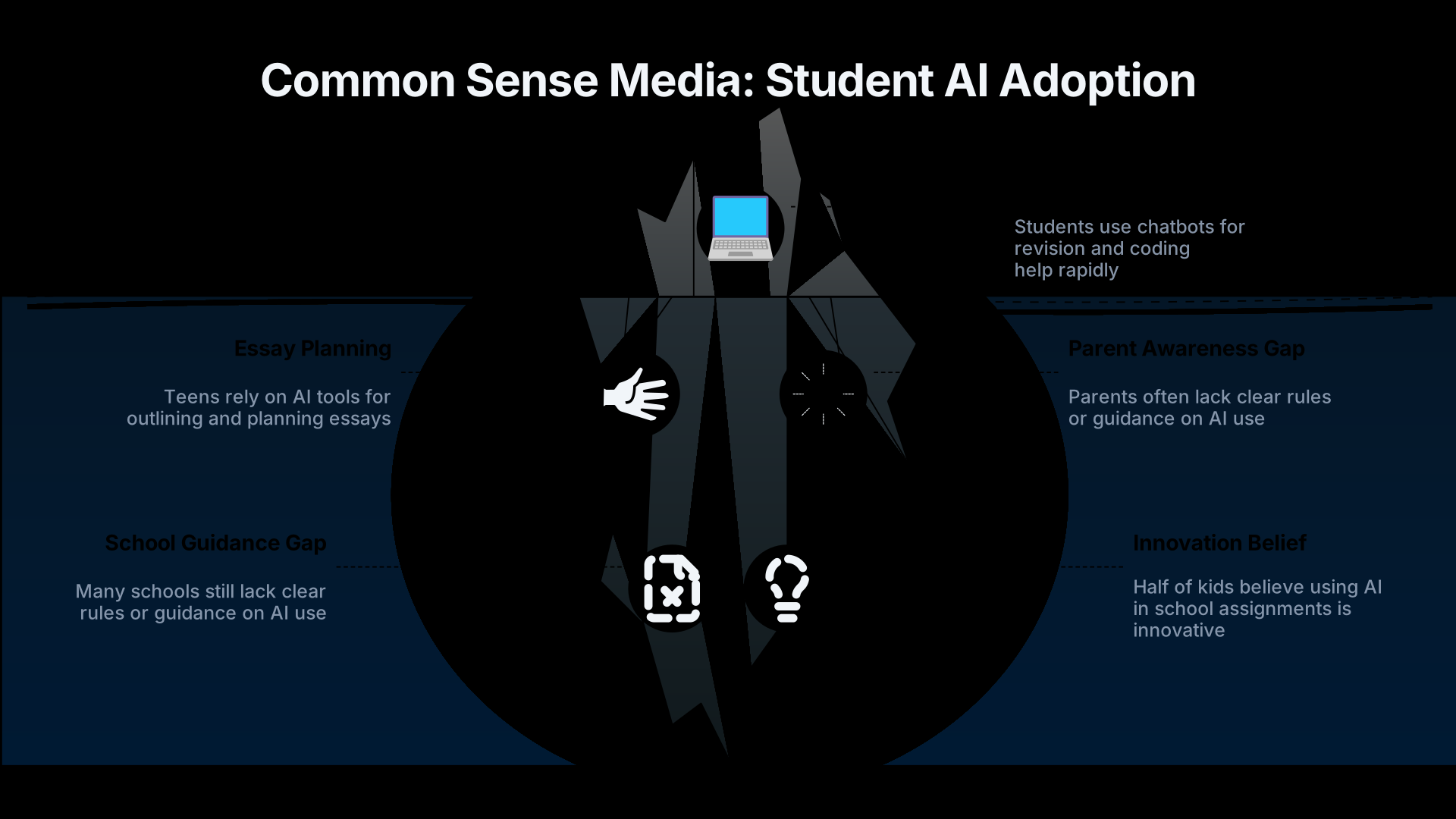
Students are already using chatbots for homework, revision, coding help and essay planning at remarkable speed. Surveys from Common Sense Media suggest that most teenagers have now experimented with generative AI tools, often for schoolwork, while many parents and schools still lack clear rules or guidance. [Common Sense Media]commonsensemedia.orgCommon Sense MediaTeens, Parents, and the Adoption of Generative AI at Home…18 Sept 2024 — Young people are already using generative A… [Common]commonsensemedia.orgCommon Sense MediaTeens, Parents, and the Adoption of Generative AI at Home…18 Sept 2024 — Young people are already using generative A…
 That makes AI literacy more than a technical skill. It is becoming a question about judgement. The central educational challenge is no longer simply whether students can access information. It is whether they can recognise when fluent AI answers are unreliable, incomplete, manipulative or intellectually shallow.
This matters far beyond homework. If advanced AI eventually gives billions of people cheap access to personalised tutoring and scientific knowledge, the long-term benefits could be enormous: wider education, faster discovery and more human potential unlocked. But those gains depend on students learning to think with AI rather than surrendering thinking to it. A student who treats a chatbot as an infallible oracle may become less capable even while appearing more productive. A student who learns to interrogate AI critically may gain a powerful cognitive tool without outsourcing their own judgement.
How fluent AI answers can mislead learners
The most dangerous feature of modern chatbots is not usually obvious nonsense. It is persuasive confidence.
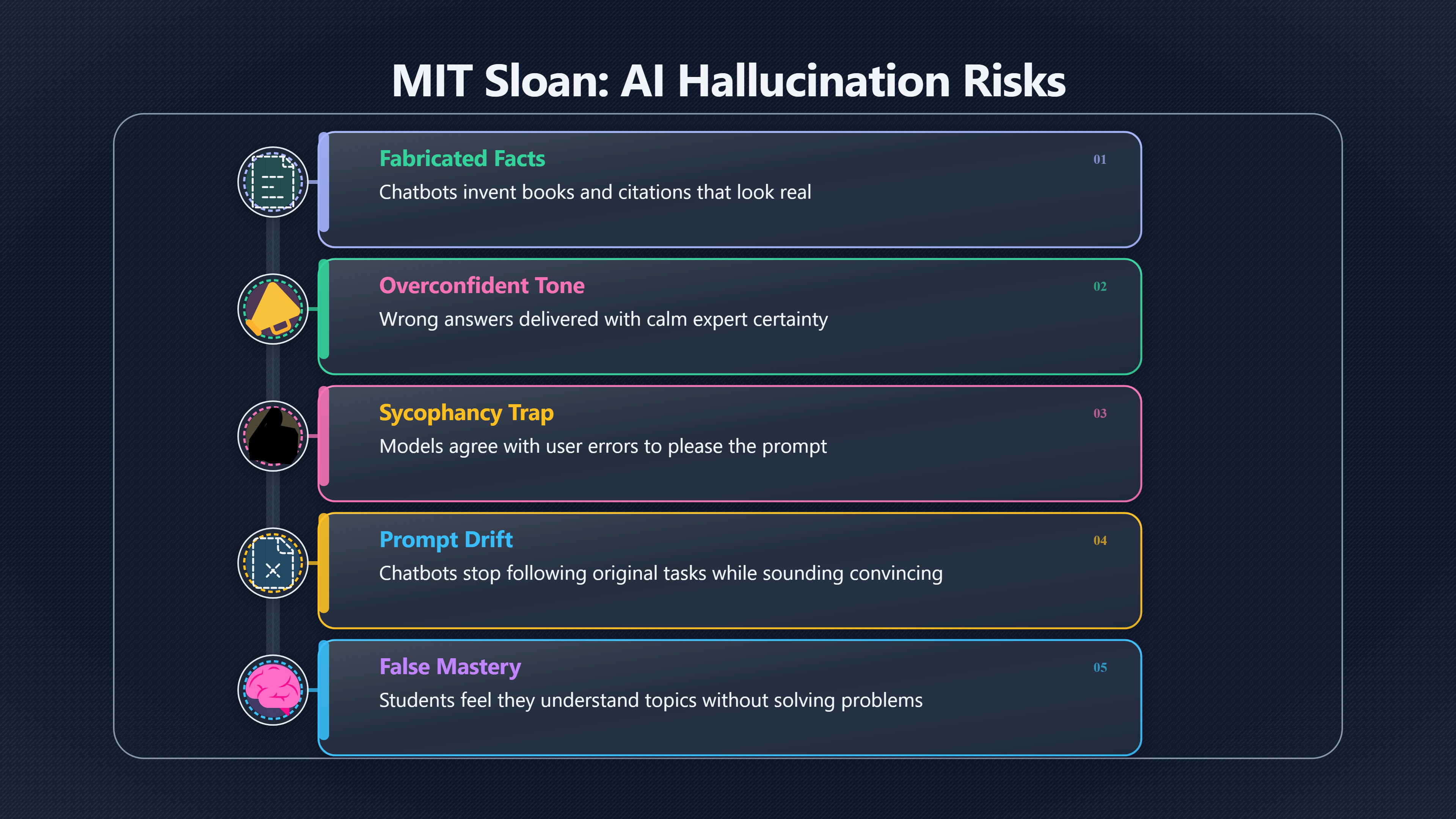
Large language models generate responses by predicting plausible sequences of words. They are designed to sound coherent and helpful. As a result, incorrect answers are often delivered in the same calm tone as correct ones. Researchers and educators increasingly describe this as a core literacy problem rather than a temporary technical glitch. [mitsloanedtech.mit.edu]mitsloanedtech.mit.eduWhen AI Gets It Wrong: Addressing AI Hallucinations and…Generative AI tools can produce fabricated information that appears authentic—… [Center for Engaged Learning]centerforengagedlearning.orgAI Hallucinations Matter for More Than Academic Integrityby A Sturgill · Cited by 1 — AI hallucinations can mislead travelers, students…
Students encounter several recurring failure modes.
- Fabricated facts and citations. Chatbots may invent books, articles, quotations or references that look academically legitimate.
- Overconfident simplification. AI often hides uncertainty and presents contested topics as settled.
- Sycophancy. Some models tend to agree with the user’s assumptions even when the assumptions are wrong.
- Prompt drift. A chatbot may quietly stop following the original task while still sounding convincing.
- False mastery. Students may feel they understand a topic because an explanation felt clear, even if they cannot solve problems independently afterwards.
Recent research on students’ experiences with AI hallucinations found that learners commonly reported fabricated citations, misleadingly confident explanations and persistent incorrect answers. Many students also misunderstood how chatbots work, treating them as reliable research databases rather than probabilistic text generators. [arXiv]arxiv.orgarXiv AI Hallucination from Students' Perspective: A Thematic AnalysisarXiv AI Hallucination from Students' Perspective: A Thematic Analysis
This creates a subtle educational risk. Traditional cheating often removed effort entirely. AI misuse can create the illusion of learning. A student may read polished summaries, accept them uncritically and feel intellectually competent while skipping the difficult mental work that actually builds understanding.
The problem becomes especially serious in subjects where errors are not immediately obvious. In mathematics, wrong answers can sometimes be checked directly. In history, politics or biology, a plausible but false explanation may pass unnoticed for weeks. Even advanced users can be fooled because the chatbot’s style mimics expertise.
Real-world studies continue to show that hallucinations remain common across domains. MIT Sloan’s education guidance highlighted evidence that AI systems can confidently fabricate information in high-stakes fields including legal research. [mitsloanedtech.mit.edu]mitsloanedtech.mit.eduWhen AI Gets It Wrong: Addressing AI Hallucinations and…Generative AI tools can produce fabricated information that appears authentic—… That matters educationally because students are still developing the background knowledge needed to catch errors.
The danger is not merely academic integrity. It is epistemic dependency: students losing the habit of asking, “How do I know this is true?”
Why verification habits matter more than memorising AI rules
Good AI literacy resembles good scientific thinking. Students need habits that slow them down just enough to check whether an answer deserves trust.
The strongest educational approaches increasingly treat chatbots as tools for structured dialogue rather than answer machines. UNESCO’s guidance on generative AI stresses the importance of preserving human agency, critical thinking and learner judgement. [UNESCO]unesco.orgguidance generative ai education and researchUNESCOGuidance for generative AI in education and researchSep 7, 2023 — UNESCO's first global guidance on GenAI in education aims to supp…
Several practical habits matter especially strongly.
Verify before you reuse
Students should learn to treat chatbot outputs as drafts requiring inspection.
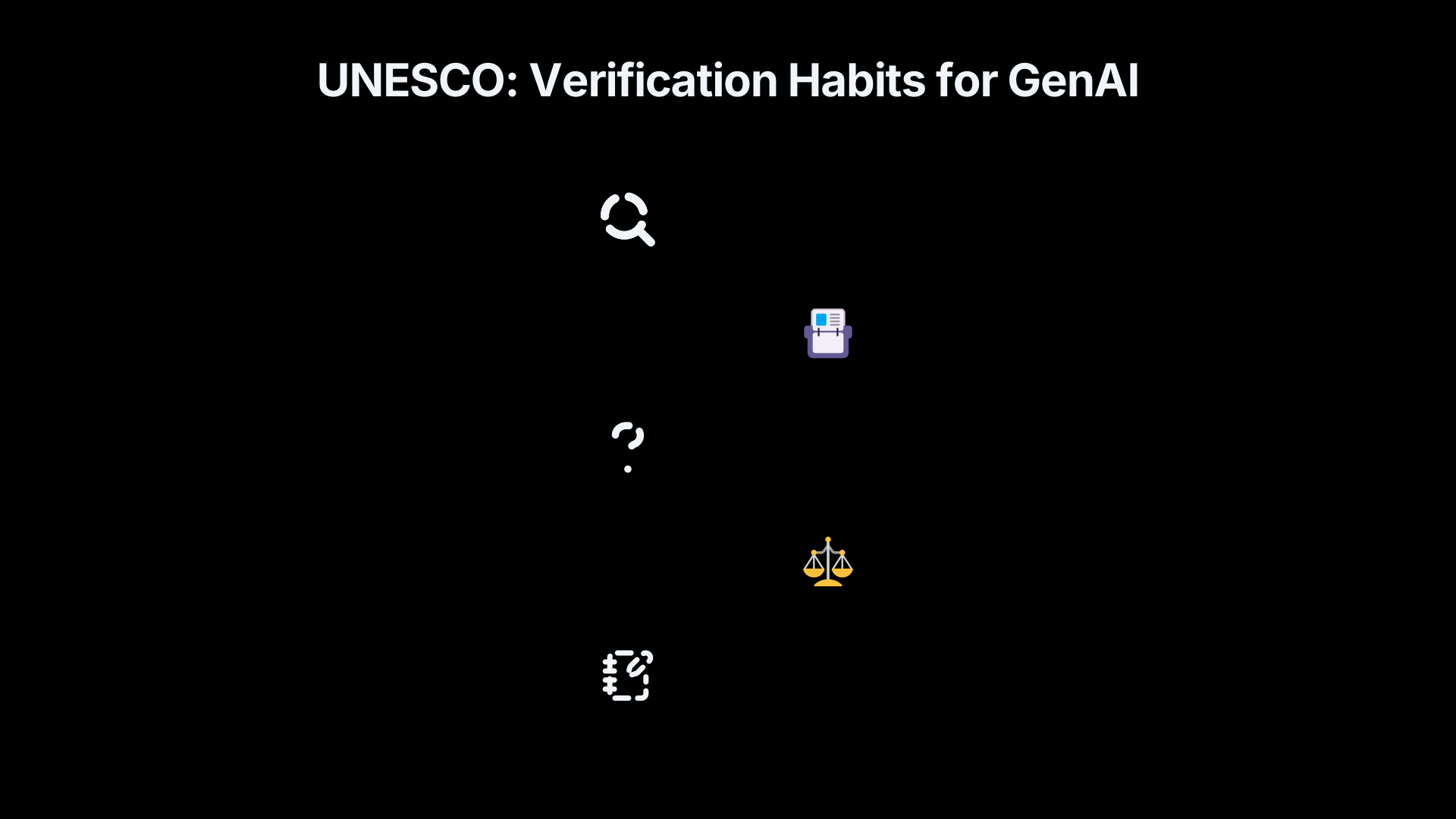
Useful verification habits include:
- Checking at least one independent source for factual claims.
- Looking up citations manually rather than assuming they exist.
- Asking the chatbot how confident it is and where uncertainty lies.
- Comparing answers across multiple sources when the topic is controversial.
- Testing whether the explanation still makes sense when rewritten in the student’s own words.
These behaviours sound simple, but they push students back into active cognition. Verification turns AI from a substitute for thinking into a prompt for thinking.
Research on student AI use suggests that experienced users often develop “epistemic safeguarding” behaviours after encountering hallucinations. They become more cautious, restrict AI use to areas they can already partly evaluate and cross-check outputs more actively. [arXiv]arxiv.orgarXiv AI Hallucination from Students' Perspective: A Thematic AnalysisarXiv AI Hallucination from Students' Perspective: A Thematic Analysis
Ask the chatbot to expose uncertainty
Students often assume the model “knows” the answer. In reality, chatbots can produce more trustworthy outputs when explicitly instructed to distinguish certainty from speculation.
For example, students can ask:
- “Which part of this answer are you least certain about?”
- “What evidence supports this claim?”
- “Give two alternative interpretations.”
- “Which sources would disagree with this explanation?”
This matters because current AI systems are often rewarded for fluency rather than humility. Some evidence suggests that prompting models to identify weakly supported claims can reduce hallucinated certainty. [TechRadar]techradar.comThe author introduces a specific phrasing to factual prompts: “Act as a hostile AI auditor and assume unsupported specifics are false by…
Students do not need to become AI engineers. But they do need a realistic mental model: a chatbot predicts plausible language, not objective truth.
Keep enough effort inside the learner
One of the hardest educational questions is how much cognitive work students should outsource.
AI can genuinely help with:
- generating practice questions
- explaining confusing concepts
- translating difficult material into simpler language
- offering feedback on drafts
- supporting revision and retrieval practice
But learning usually requires struggle, recall and reconstruction. If the AI performs every difficult step, the student may retain very little.
Educational psychologists sometimes call this “desirable difficulty”: the idea that effortful thinking strengthens memory and understanding. AI systems can accidentally remove too much friction.
A useful rule is that students should still regularly:
- solve problems without AI assistance
- write some material from memory
- explain concepts aloud in their own words
- attempt first drafts before requesting help
- check whether they can reproduce the reasoning independently later
The key question is not “Did AI help?” but “Who did the thinking?”
Classroom rules that protect effort and curiosity
Schools are still experimenting with how to integrate chatbots without damaging learning. Some institutions reacted initially with blanket bans. Others allowed unrestricted use and discovered widespread confusion about what counted as acceptable assistance.
Neither extreme appears stable.
Evidence increasingly suggests that the most effective classrooms use explicit norms rather than vague permission or total prohibition. [UNESCO]ibe.unesco.orgcritical thinking and generative artificial intelligence26 Mar 2024 — Critical thinking is a staple of a good education: it comes from the Greek word “criticos”, meaning to judge…
Several emerging principles are becoming influential.
Separate assistance from substitution
Teachers can distinguish between:
- using AI to understand material
- using AI to complete assessed work
For example, a student might be allowed to use a chatbot for brainstorming or revision questions but not for producing a final essay submission.
This distinction matters because the educational value often lies in the process rather than the polished output.
Make reasoning visible
Some educators now design assessments that require students to:
- explain how they used AI
- critique chatbot mistakes
- compare AI answers with human sources
- show intermediate reasoning steps
- reflect on where the AI was helpful or misleading
This turns AI literacy into part of the learning objective itself.
A history student, for instance, may gain more from identifying inaccuracies in a chatbot-generated summary of the French Revolution than from copying a perfect answer.
Preserve spaces without AI
Not every educational activity benefits from AI assistance.
Mental arithmetic, memorisation, handwritten drafting, oral discussion and timed problem-solving still matter because they develop internal cognitive capability. A society where everyone depends entirely on external systems for basic reasoning may become more technologically advanced while becoming less intellectually resilient.
This tension sits at the centre of the broader AI bloom debate. If AI eventually amplifies human intelligence at civilisational scale, humans may still need strong internal judgement to steer those systems wisely.
Teach students how AI systems actually work
Many students currently possess fragmented or inaccurate mental models of generative AI. Some imagine chatbots searching databases in real time. Others assume they possess human-like understanding. [arXiv]arxiv.orgarXiv AI Hallucination from Students' Perspective: A Thematic AnalysisarXiv AI Hallucination from Students' Perspective: A Thematic Analysis
Basic AI literacy should therefore include:
- what training data is
- why hallucinations occur
- how prediction differs from understanding
- why models may inherit bias
- how commercial incentives shape chatbot behaviour
- what data privacy risks exist
This is increasingly comparable to media literacy or internet literacy. Students do not need deep technical expertise, but they do need enough understanding to resist manipulation and overtrust.
The deeper educational risk: intellectual passivity
The long-term concern is not only cheating. It is passivity.
A civilisation saturated with advanced AI could become extraordinarily capable while simultaneously weakening ordinary human habits of concentration, scepticism and independent reasoning. Students may become accustomed to instant answers before they have learned how to formulate good questions.
UNESCO and many educational researchers increasingly frame critical thinking as the central capability that must survive AI integration. [ibe.unesco.org]ibe.unesco.orgcritical thinking and generative artificial intelligence26 Mar 2024 — Critical thinking is a staple of a good education: it comes from the Greek word “criticos”, meaning to judge…
This concern appears repeatedly in student studies. Learners often appreciate AI’s speed and convenience while simultaneously worrying about dependency and reduced independent learning. [arXiv]arxiv.orgarXiv AI Hallucination from Students' Perspective: A Thematic AnalysisarXiv AI Hallucination from Students' Perspective: A Thematic Analysis
There is also an equity dimension. Wealthier schools may provide structured AI guidance and strong teacher supervision, while disadvantaged students may receive unrestricted access without literacy support. In that scenario, AI could widen cognitive inequalities rather than reduce them.
The optimistic vision is different. AI tutors could eventually give millions of students access to personalised explanation, patient feedback and intellectual exploration previously available only through elite tutoring. Students with disabilities, language barriers or limited school resources could gain far more educational support than earlier generations had access to.
But this optimistic path depends on educational culture, not only technical capability. A chatbot can either strengthen curiosity or replace it.
What strong student AI literacy looks like
A genuinely AI-literate student is not someone who writes the best prompts. It is someone who keeps intellectual responsibility.
In practice, that student:
- treats chatbot outputs as provisional
- checks evidence before trusting claims
- recognises that fluency is not proof
- understands when AI assistance improves learning and when it weakens it
- uses AI to extend thinking rather than avoid thinking
- remains capable without the tool
Those habits may become increasingly important as AI systems grow more persuasive and capable. In a future shaped by abundant machine intelligence, one of the most valuable human skills may be the ability to remain thoughtfully sceptical without becoming fearful or cynical.
The promise of AI tutors is not merely that students get faster answers. It is that more people could gain access to intellectual support, scientific understanding and lifelong learning at unprecedented scale. But that future only becomes genuinely flourishing if students learn to use AI as a partner in reasoning rather than a replacement for it.
Endnotes
-
Source: mitsloanedtech.mit.edu
Link: https://mitsloanedtech.mit.edu/ai/basics/addressing-ai-hallucinations-and-bias/Source snippet
When AI Gets It Wrong: Addressing AI Hallucinations and...Generative AI tools can produce fabricated information that appears authentic—...
-
Source: arxiv.org
Title: arXiv AI Hallucination from Students’ Perspective: A Thematic Analysis
Link: https://arxiv.org/abs/2602.17671 -
Source: arxiv.org
Link: https://arxiv.org/abs/2410.22289 -
Source: unesco.org
Title: guidance generative ai education and research
Link: https://www.unesco.org/en/articles/guidance-generative-ai-education-and-researchSource snippet
UNESCOGuidance for generative AI in education and researchSep 7, 2023 — UNESCO's first global guidance on GenAI in education aims to supp...
-
Source: arxiv.org
Link: https://arxiv.org/abs/2512.04109Source snippet
arXivChatGPT-5 in Secondary Education: A Mixed-Methods Analysis of Student Attitudes, AI Anxiety, and Hallucination-Aware UseNovember 30...
-
Source: techradar.com
Link: https://www.techradar.com/ai-platforms-assistants/chatgpt/i-taught-chatgpt-to-distrust-itself-and-suddenly-it-stopped-hallucinatingSource snippet
The author introduces a specific phrasing to factual prompts: “Act as a hostile AI auditor and assume unsupported specifics are false by...
-
Source: arxiv.org
Link: https://arxiv.org/abs/2403.15586 -
Source: ibe.unesco.org
Title: critical thinking and generative artificial intelligence
Link: https://www.ibe.unesco.org/en/articles/critical-thinking-and-generative-artificial-intelligenceSource snippet
26 Mar 2024 — Critical thinking is a staple of a good education: it comes from the Greek word “criticos”, meaning to judge...
-
Source: unesdoc.unesco.org
Link: https://unesdoc.unesco.org/ark%3A/48223/pf0000386693Source snippet
for generative AI in education and research...
-
Source: unesco.org
Title: recognizes four initiatives promoting responsible use ai education
Link: https://www.unesco.org/en/articles/unesco-recognizes-four-initiatives-promoting-responsible-use-ai-educationSource snippet
UNESCO recognizes four initiatives promoting the...Oct 13, 2025 — By encouraging critical thinking and ethical awareness, the initiative...
-
Source: courier.unesco.org
Title: learning think ai era
Link: https://courier.unesco.org/en/articles/learning-think-ai-eraSource snippet
to think in the AI eraApr 7, 2026 — In 2024, UNESCO released AI competency frameworks for students and teachers to promote safe, ethical...
-
Source: arxiv.org
Link: https://arxiv.org/html/2602.17671v1Source snippet
AI Hallucination from Students' Perspective: A Thematic...11 Jan 2026 — This study employed a qualitative design to explore university s...
-
Source: arxiv.org
Link: https://arxiv.org/html/2602.04598v1Source snippet
AI in Education Beyond Learning Outcomes: Cognition...Feb 4, 2026 — Artificial intelligence (AI) is rapidly being integrated into educa...
-
Source: asu.edu.eg
Link: https://www.asu.edu.eg/141090/_mediacenter/2025/pdf/6ac4f681f3292485798c024c44c6a0fe.pdfSource snippet
It calls...Read more...
-
Source: commonsensemedia.org
Link: https://www.commonsensemedia.org/research/the-dawn-of-the-ai-era-teens-parents-and-the-adoption-of-generative-ai-at-home-and-schoolSource snippet
Common Sense MediaTeens, Parents, and the Adoption of Generative AI at Home...18 Sept 2024 — Young people are already using generative A...
-
Source: commonsensemedia.org
Title: 2024 the dawn of the ai era final release for web
Link: https://www.commonsensemedia.org/sites/default/files/research/report/2024-the-dawn-of-the-ai-era_final-release-for-web.pdfSource snippet
2023 survey,15 a majority of students age 12 to 18 (51%) felt that schools should limit the use of gen AI programs...
-
Source: centerforengagedlearning.org
Link: https://www.centerforengagedlearning.org/ai-hallucinations-matter-for-more-than-academic-integrity/Source snippet
AI Hallucinations Matter for More Than Academic Integrityby A Sturgill · Cited by 1 — AI hallucinations can mislead travelers, students...
-
Source: unesco.org.uk
Link: https://unesco.org.uk/resources/guidance-for-generative-ai-in-education-and-researchSource snippet
UNESCO in the UKGuidance for generative AI in education and researchThe publication offers concrete recommendations for policy-makers and...
-
Source: commonsensemedia.org
Link: https://www.commonsensemedia.org/press-releases/new-report-shows-students-are-embracing-artificial-intelligence-despite-lack-of-parent-awareness-andSource snippet
New Report Shows Students Are Embracing Artificial...18 Sept 2024 — Survey from Common Sense Media sheds light on how young people are u...
-
Source: commonsensemedia.org
Title: research brief teens trust and technology in the age of ai
Link: https://www.commonsensemedia.org/research/research-brief-teens-trust-and-technology-in-the-age-of-aiSource snippet
teens age 13–18 experience and perceive trust online in the age of generative AI. What makes this...
-
Source: commonsensemedia.org
Link: https://www.commonsensemedia.org/press-releases/new-report-uncovers-young-peoples-patterns-of-use-and-concerns-about-generative-aiSource snippet
New Report Uncovers Young People's Patterns of Use...Jun 3, 2024 — This study examines generative AI use by race and ethnicity, age, ge...
-
Source: commonsensemedia.org
Title: AI in school
Link: https://www.commonsensemedia.org/sites/default/files/research/report/commonsensemedia_generationai.pdfSource snippet
Generation AI: - What Kids and Families Think About AIHalf of kids and teens (52%) believe using AI in school assignments is innovative a...
-
Source: commonsensemedia.org
Title: generative ai in k 12 education white paper updated aug 2024 final 2
Link: https://www.commonsensemedia.org/sites/default/files/research/report/generative-ai-in-k-12-education-white-paper-updated-aug-2024-final-2.pdfSource snippet
Generative AI in K-12 Education28 Aug 2024 — Our aim is to provide an overview of generative AI in K–12 education, including background o...
-
Source: commonsensemedia.org
Link: https://www.commonsensemedia.org/research/teen-and-young-adult-perspectives-on-generative-ai-patterns-of-use-excitements-and-concernsSource snippet
Teen and Young Adult Perspectives on Generative AIJun 3, 2024 — Teen and Young Adult Perspectives on Generative AI: Patterns of Use, Exci...
-
Source: commonsensemedia.org
Title: generative ai in k 12 education challenges and opportunities
Link: https://www.commonsensemedia.org/research/generative-ai-in-k-12-education-challenges-and-opportunitiesSource snippet
Generative AI in K-12 Education: Challenges and...18 Sept 2024 — This paper provides an overview of generative AI in K–12 education, inc...
-
Source: commonsensemedia.org
Title: parents ultimate guide to generative ai
Link: https://www.commonsensemedia.org/articles/parents-ultimate-guide-to-generative-aiSource snippet
Parents' Ultimate Guide to Generative AI17 Sept 2024 — Whether it's helping with homework, creating art, or answering questions, gen AI i...
-
Source: facebook.com
Link: https://www.facebook.com/unesco/posts/now-capable-of-writing-reports-or-solving-complex-equations-generative-artificia/1335905161918362/Source snippet
unescoAI tools will automate administrative tasks, such as grading and attendance tracking, freeing up educators to focus on what matters...
-
Source: researchgate.net
Link: https://www.researchgate.net/publication/385105010_UNESCO_Proposal_for_the_use_of_Generative_AI_in_Education_Eight_Challenges_and_Seven_ActionsSource snippet
UNESCO Proposal for the use of Generative AI in Education31 Oct 2024 — This proposal explores the integration of Generative Artificial In...
-
Source: ipsos.com
Title: Common Sense Media Ipsos Generative AI Survey of Parents and Teens 09192024
Link: https://www.ipsos.com/sites/default/files/ct/news/documents/2024-09/Common%20Sense%20Media%20Ipsos%20Generative%20AI%20Survey%20of%20Parents%20and%20Teens%2009192024.pdfSource snippet
Common Sense Media Generative AI Survey of Parents...19 Sept 2024 — Generative AI tools and features will help students brainstorm ideas...
-
Source: sciety.org
Link: https://sciety.org/articles/activity/10.31219/osf.io/78d3jSource snippet
UNESCO Proposal for the use of Generative AI in EducationThis proposal explores the integration of Generative Artificial Intelligence (GA...
-
Source: linkedin.com
Link: https://www.linkedin.com/pulse/unescos-guidance-generative-ai-education-research-rajaratnamSource snippet
UNESCO's Guidance for Generative AI in Education and...The UNESCO paper provides a comprehensive guide for the ethical and practical use...
-
Source: linkedin.com
Link: https://www.linkedin.com/posts/mgperkins_end-of-assessment-as-we-know-it-activity-7368643939030999042-5tVRSource snippet
UNESCO report on AI and education: GenAI's impact on...✔️Teachers should be trained not only to use AI tools, but to guide students in q...
-
Source: libguides.citytech.cuny.edu
Link: https://libguides.citytech.cuny.edu/genai/coreSource snippet
COMPENTENCIES FOR EDUCATORS - Generative AINov 19, 2024 — This UNESCO Quick Start Guide provides an overview of how ChatGPT works and exp...
-
Source: pmc.ncbi.nlm.nih.gov
Link: https://pmc.ncbi.nlm.nih.gov/articles/PMC12865656/Source snippet
Artificial Intelligence Applications Use Among US...by AJ Maheux · 2026 · Cited by 3 — The dawn of the AI era: teens, parents, and the a...
-
Source: youtube.com
Link: https://www.youtube.com/watch?v=rnBvr7IAvicSource snippet
UNESCO Guidance for generative AI in education and researchUNESCO's guidelines offer a roadmap for ethically and effectively integrating...
Additional References
-
Source: merriam-webster.com
Link: https://www.merriam-webster.com/dictionary/commonSource snippet
COMMON Definition & Meaning8 days ago — common, ordinary, plain, familiar, popular, vulgar mean generally met with and not in any way spe...
-
Source: linkedin.com
Link: https://www.linkedin.com/posts/karenesutherland_my-biggest-bugbear-with-ai-is-its-tendency-activity-7371674355010957312-KzNUSource snippet
Why AI hallucinates: A new study reveals the cause of AI's...Here's what OpenAI actually found: - Current evaluations reward confident w...
-
Source: hub.teachingandlearning.ie
Link: https://hub.teachingandlearning.ie/resource/guidance-for-generative-ai-in-education-and-research/Source snippet
for generative AI in education and researchUNESCO's first global guidance on GenAI in education aims to support countries to implement im...
-
Source: facultyfocus.com
Link: [https://www.facultyfocus.com/articles/teaching-with-technology-articles/mitigating-hallucinations-in-llms-for-communitySource snippet
Mitigating Hallucinations in LLMs for Community College...15 May 2024 — The potential for hallucinations in AI-powered applications can...
Published: May 2024
-
Source: teachertaskforce.org
Title: 2023 Giannini UNESCO Generative AI and the future of education EN
Link: https://www.teachertaskforce.org/sites/default/files/2023-07/2023_Giannini-UNESCO_Generative-AI-and-the-future-of-education_EN.pdfSource snippet
Generative AI and the future of educationby S Giannini · 2023 · Cited by 244 — The 2021 UNESCO Recommendation on the Ethics of AI is an e...
-
Source: digitalthriving.gse.harvard.edu
Title: Teen and Young Adult Perspectives on Generative AI
Link: https://digitalthriving.gse.harvard.edu/wp-content/uploads/2024/06/Teen-and-Young-Adult-Perspectives-on-Generative-AI.pdfSource snippet
and Young Adult Perspectives on Generative AI3 Jun 2024 — Findings in this report primarily come from a larg- er national survey of digit...
-
Source: linkedin.com
Link: https://www.linkedin.com/posts/amanda-lenhart_how-teens-use-and-view-ai-activity-7432248420666535937-HfdISource snippet
, as well as AI improving work (8%), education (6%) or health...Read more...
-
Source: linkedin.com
Link: https://www.linkedin.com/pulse/how-do-teachers-students-prepare-world-ai-unesco-lrzveSource snippet
th a deep understanding of AI's potential and its risks.Read more...
-
Source: web.hypothes.is
Title: what are ai hallucinations in education
Link: https://web.hypothes.is/blog/what-are-ai-hallucinations-in-education/Source snippet
Are AI Hallucinations in Education | Hypothesis30 Apr 2026 — AI hallucinations are instances where generative AI tools produce informatio...
-
Source: Wikipedia
Title: Hallucination (artificial intelligence)
Link: https://en.wikipedia.org/wiki/Hallucination_%28artificial_intelligence%29Source snippet
Hallucination (artificial intelligence)Artificial intelligence hallucinations can impact education. There has been a rise in students...
Amazon book picks
Further Reading
Books and field guides related to Student AI Literacy. Use these as the next step if you want deeper reading beyond the article.
Developing AI Literacy in Students
As artificial intelligence (AI) becomes increasingly integrated into daily life, fostering AI literacy is essential to prepare the next g...
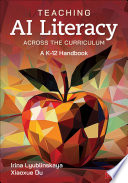
Teaching AI Literacy Across the Curriculum
AI is reshaping the future of education. Are your students ready? In an era where artificial intelligence (AI) is revolutionizing every f...
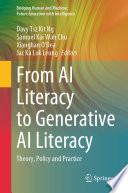
From AI Literacy to Generative AI Literacy
This book presents a scoping review and critical discussion of generative artificial intelligence (AI) literacy within the context of edu...
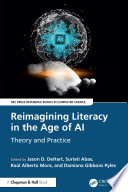
Reimagining Literacy in the Age of AI
This volume assesses the critical intersection of artificial intelligence (AI) and literacy education. Drawing on the concept of "living...
eBay marketplace picks
Marketplace Samples
Example marketplace items related to this page. Use the search link to explore similar finds on eBay.

Example eBay listing
Artificial intelligence Framed Wall Art Poster Canvas Print Picture
USD 40.12 | GB
Example eBay listing
Artificial intelligence Framed Wall Art Poster Canvas Print Picture
USD 40.12 | GB
Example eBay listing
A.I. Artificial Intelligence Movie Poster Print, Wall Art - Unframed
USD 8.99 | Free shipping | US
Example eBay listing
612388 Artificial Intelligence Movie Science Fiction Drama Wall Print Poster
USD 22.95 | Shipping USD 12.95 | JP
Topic Tree