Within Medicine Access
Why Vaccine Access Stayed Unequal
COVID-19 vaccines were developed quickly, but manufacturing limits and supply politics delayed global access.
On this page
- How rich countries secured early vaccine supply
- Why manufacturing capacity was geographically concentrated
- What the pandemic revealed about future AI medicine
Page outline Jump by section
Introduction
The COVID-19 pandemic produced one of the fastest scientific breakthroughs in modern medical history. Researchers designed effective mRNA vaccines within months of the virus’s genetic sequence being published, and large clinical trials quickly showed strong protection against severe disease and death. Yet the speed of discovery did not translate into equal global access. By 2021, many wealthy countries were already delivering booster doses while large parts of Africa and other lower-income regions still lacked enough supply for frontline health workers and older people. [Science]science.orgRich countries cornered COVID-19 vaccine dosesFour…26 May 2021 — Nearly 85% of the COVID-19 vaccine doses administered to date have gone to people in high-income and upper middle–i… [World Health Organization]who.int22 07 2021 vaccine inequity undermining global economic recoveryWorld Health OrganizationVaccine inequity undermining global economic recovery22 Jul 2021 — COVID-19 vaccine inequity will have a lasting…
 This gap exposed a central tension in the wider debate about AI-enabled abundance and scientific acceleration. Humanity may become much faster at inventing life-saving tools, but invention alone does not guarantee broad human flourishing. The pandemic showed how manufacturing capacity, procurement power, patents, logistics, and geopolitics can limit access even when the underlying science advances rapidly.
How rich countries secured early vaccine supply
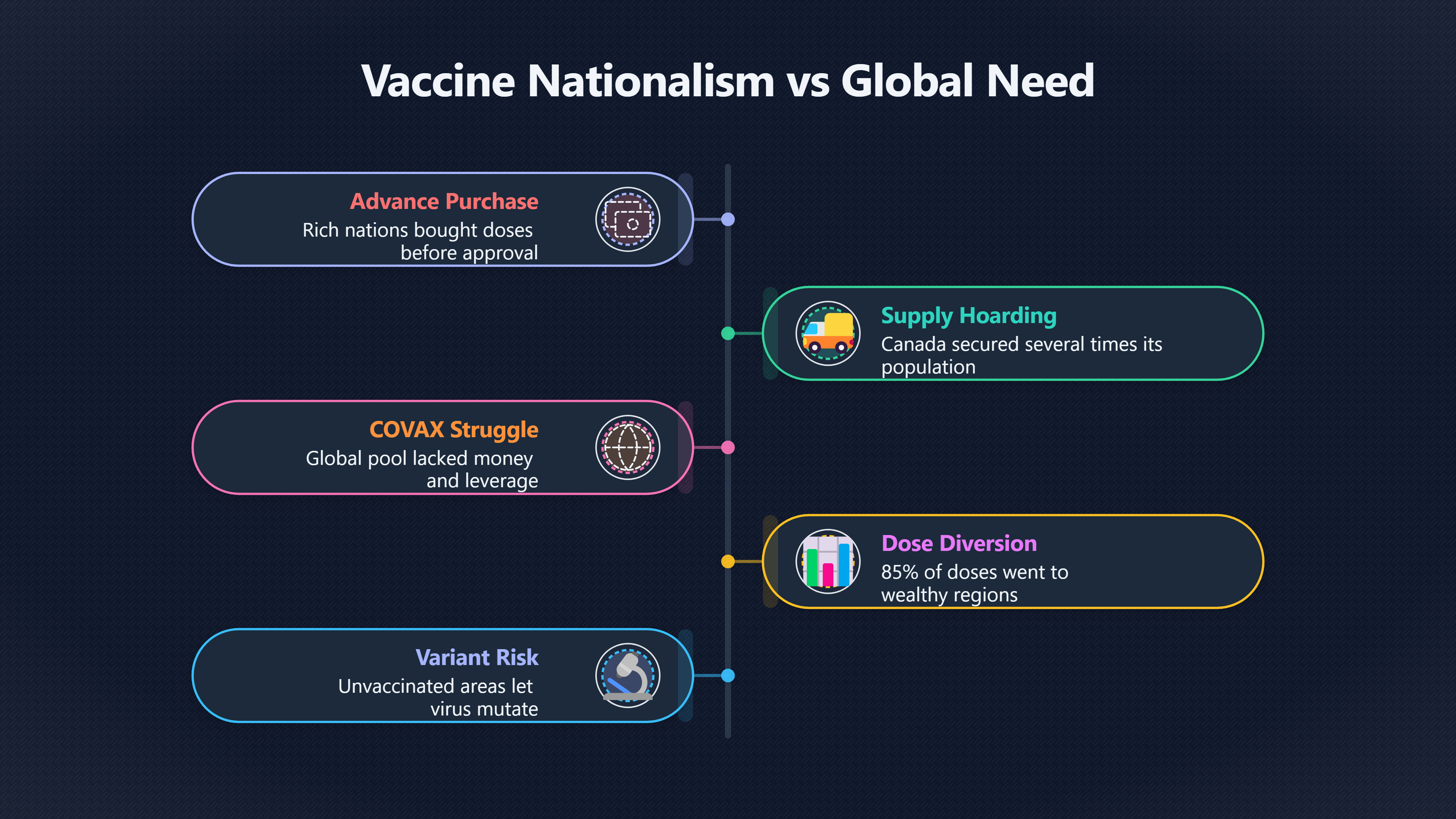
The first major reason vaccine access stayed unequal was simple: wealthy governments bought enormous quantities of doses before the vaccines were even approved.
During 2020, the United States, United Kingdom, European Union, Canada, and other richer countries signed advance purchase agreements with companies such as Pfizer-BioNTech and Moderna. These deals helped fund rapid development and manufacturing expansion, but they also reserved much of the early supply for countries able to spend aggressively and accept financial risk. [PMC]pmc.ncbi.nlm.nih.govPMCGlobal COVID-19 vaccine inequity: The scope, the impact, and…by A Asundi · 2021 · Cited by 211 — We outline the scope and impact of… [The Lancet]thelancet.comThe LancetClosing the global vaccine equity gap: equitably distributed…by VJ Dzau · 2022 · Cited by 34 — Early in the COVID-19 pandemi…
This became known as “vaccine nationalism”. Governments facing domestic political pressure prioritised securing enough doses for their own populations first, often purchasing far more than they immediately needed. Canada, for example, secured agreements amounting to several times its population size during the early rollout period. Meanwhile many lower-income countries relied heavily on the COVAX programme, a global initiative intended to pool purchasing power and distribute vaccines more fairly. But COVAX struggled because it had less money, less bargaining leverage, and fewer guaranteed supplies than direct national procurement deals. [BMJ]bmj.combmj 2022 070650BMJIt is not too late to achieve global covid-19 vaccine equityby G Yamey · 2022 · Cited by 125 — Covax hoped that a huge number of high… [The Lancet]thelancet.comFirst WHO/MPP mRNA Technology Transfer Programme…by EP Rybicki · 2023 · Cited by 3 — In June, 2021, WHO and the MPP announced the esta…
The result was a striking divergence in vaccination rates. By mid-2021, high-income countries had administered the overwhelming majority of global doses, while many low-income countries had barely begun mass vaccination campaigns. [Science]science.orgRich countries cornered COVID-19 vaccine dosesFour…26 May 2021 — Nearly 85% of the COVID-19 vaccine doses administered to date have gone to people in high-income and upper middle–i… [World Health Organization]who.int22 07 2021 vaccine inequity undermining global economic recoveryWorld Health OrganizationVaccine inequity undermining global economic recovery22 Jul 2021 — COVID-19 vaccine inequity will have a lasting…
This mattered not only morally but epidemiologically. Large unvaccinated populations allowed the virus to continue circulating and mutating. Public health experts repeatedly warned that uneven protection increased the risk of new variants emerging. [World Health Organization]who.int22 07 2021 vaccine inequity undermining global economic recoveryWorld Health OrganizationVaccine inequity undermining global economic recovery22 Jul 2021 — COVID-19 vaccine inequity will have a lasting… [Axios The unequal rollout also demonstrated that market incentives alone do not automatically optimise for global resilience. Pharmaceutical firms]axios.comThis practice includes accessing vaccines from COVAX, a global initiative aimed at equitable vaccine distribution, which is already strug… generally supplied the customers able to pay most quickly and reliably. That behaviour was commercially rational, but it did not produce globally balanced access during a pandemic emergency.
Why manufacturing capacity was geographically concentrated
The second major problem was that mRNA vaccine production was extraordinarily concentrated.
mRNA vaccines were not like conventional medicines that could easily be copied in many factories. Producing them required specialised equipment, lipid nanoparticles, sterile bioreactors, highly trained staff, quality-control systems, and access to tightly managed supply chains. Before COVID-19, only a small number of companies had experience manufacturing these products at scale. PMC [World Health Organization]who.int22 07 2021 vaccine inequity undermining global economic recoveryWorld Health OrganizationVaccine inequity undermining global economic recovery22 Jul 2021 — COVID-19 vaccine inequity will have a lasting…
Pfizer-BioNTech and Moderna expanded production remarkably fast by historical standards, but global capacity still remained limited during the critical early period of 2021. Building new facilities was difficult because manufacturers also competed for scarce inputs including filters, enzymes, disposable bags, glass vials, and refrigeration equipment. Export restrictions worsened these bottlenecks. [PMC]pmc.ncbi.nlm.nih.govPMCThe global inequity in COVID-19 vaccination coverage among…by MS Nabaggala · 2022 · Cited by 16 — Based on data from 139 Member Sta…
Geography mattered enormously. Most advanced vaccine manufacturing capacity was concentrated in North America, Europe, India, and China. Much of Africa and many poorer regions lacked domestic facilities able to produce mRNA vaccines independently. This meant governments had little leverage when richer countries absorbed early output. [World Health Organization]who.int22 07 2021 vaccine inequity undermining global economic recoveryWorld Health OrganizationVaccine inequity undermining global economic recovery22 Jul 2021 — COVID-19 vaccine inequity will have a lasting… [World Health Organization]who.int22 07 2021 vaccine inequity undermining global economic recoveryWorld Health OrganizationVaccine inequity undermining global economic recovery22 Jul 2021 — COVID-19 vaccine inequity will have a lasting…
Cold-chain logistics added another layer of inequality. Early versions of the Pfizer-BioNTech vaccine required storage at extremely low temperatures, making distribution harder in places with unreliable electricity or weak transport infrastructure. Urban hospitals in wealthy countries could usually handle these demands. Rural clinics in poorer regions often could not. [PMC]pmc.ncbi.nlm.nih.govPMCGlobal COVID-19 vaccine inequity: The scope, the impact, and…by A Asundi · 2021 · Cited by 211 — We outline the scope and impact of…
The pandemic therefore revealed a deeper structural issue: global medicine depended on a surprisingly narrow industrial base. Scientific knowledge existed, but the ability to manufacture and distribute that knowledge at scale was concentrated in relatively few countries and firms.
The intellectual property and technology-transfer dispute
One of the fiercest arguments during the pandemic concerned patents and technology transfer.
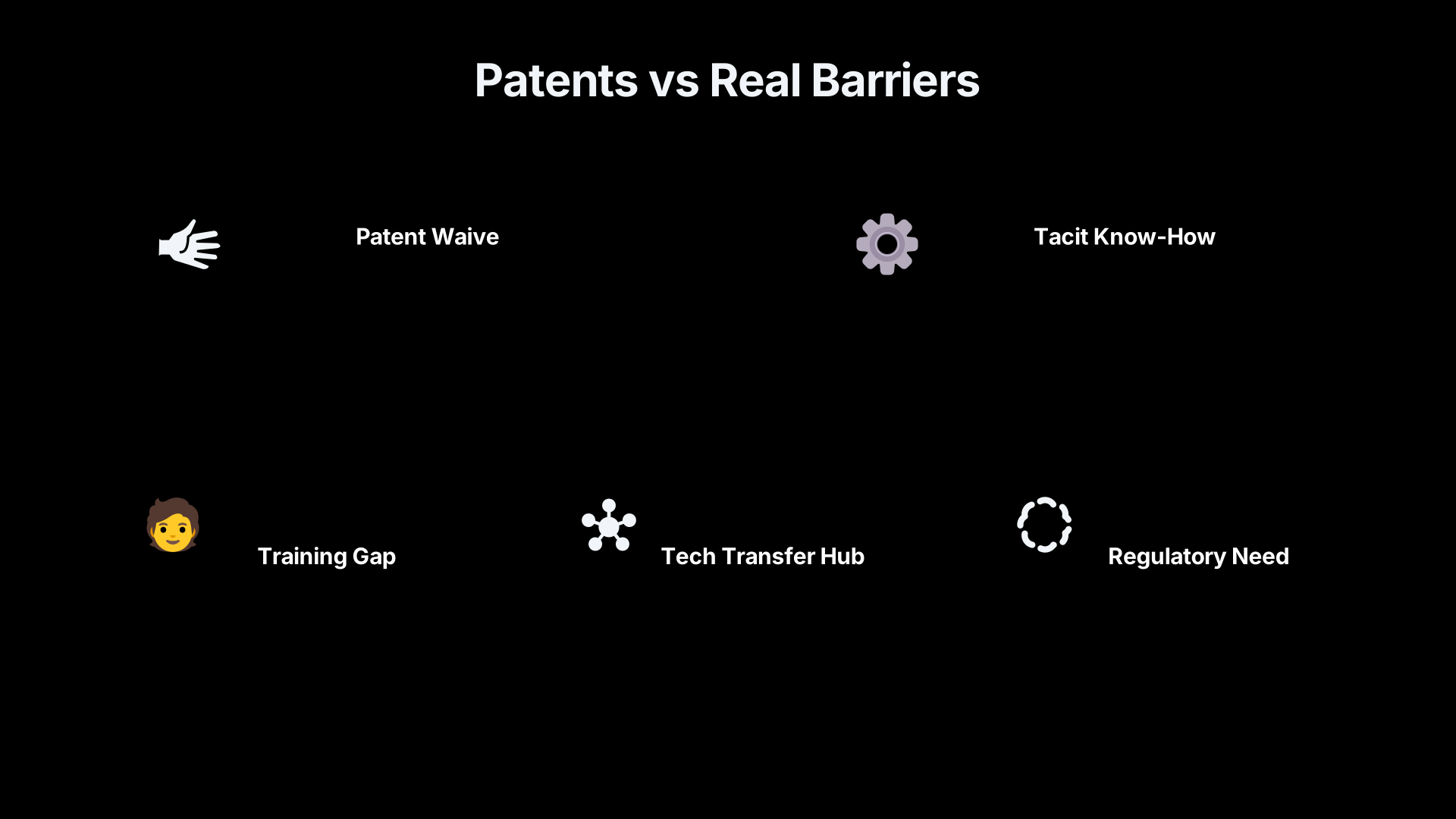
Some governments, public-health advocates, and campaign groups argued that intellectual property protections slowed wider manufacturing. They supported proposals at the World Trade Organization to waive some COVID-19 vaccine patent rules temporarily. Critics of the existing system argued that companies benefiting from large amounts of public funding should have shared technology more broadly during a global emergency. [Amnesty International]amnesty.orgAmnesty InternationalA DOUBLE DOSE OF INEQUALITYSeptember 21, 2021 — 14 Sept 2021 — The objective is to produce, export and distribute th…
Pharmaceutical companies and some governments responded that patents were not the main bottleneck. They argued that manufacturing mRNA vaccines safely required tacit expertise and complex industrial know-how that could not simply be replicated from published formulas. According to this view, removing patents alone would not instantly create high-quality vaccine production capacity.
Both sides captured part of the truth.
Patents were only one barrier, but technology concentration was real. Even where legal permission existed, many regions lacked trained personnel, specialised equipment, validated production lines, and regulatory infrastructure. Yet critics also correctly noted that the world had invested far less in distributed manufacturing capability before the pandemic than global health security required.
The World Health Organization later launched an mRNA technology transfer programme centred in South Africa partly in response to this failure. The initiative aimed to help lower- and middle-income countries develop local manufacturing expertise rather than remaining permanently dependent on imports from richer states. [Medicines Patent Pool]medicinespatentpool.orgMedicines Patent Pool Global m RNA Technology Transfer ProgrammeGlobal mRNA Technology Transfer Programme - MPPThe mRNA technology transfer programme is a global initiative that aims to help LMICs esta… [World Health Organization]who.int22 07 2021 vaccine inequity undermining global economic recoveryWorld Health OrganizationVaccine inequity undermining global economic recovery22 Jul 2021 — COVID-19 vaccine inequity will have a lasting… [World Health Organization]who.int22 07 2021 vaccine inequity undermining global economic recoveryWorld Health OrganizationVaccine inequity undermining global economic recovery22 Jul 2021 — COVID-19 vaccine inequity will have a lasting…
This was an important shift in thinking. The issue was no longer just how to donate doses during emergencies, but how to create geographically broader scientific and industrial capacity before the next crisis.

Unequal access was not only about supply
By late 2021 and 2022, the problem changed shape.
Earlier in the pandemic, the core issue was insufficient supply. Later, many lower-income countries began receiving more doses but struggled with delivery systems, staffing shortages, transport logistics, data systems, refrigeration, and vaccine hesitancy. [Axios]axios.comThis practice includes accessing vaccines from COVAX, a global initiative aimed at equitable vaccine distribution, which is already strug…
This distinction matters because it shows how medical abundance can fail at multiple layers.
A country may technically possess vaccine doses while still lacking enough nurses, clinics, transport networks, or public trust to achieve rapid uptake. Some healthcare systems already stretched by debt, conflict, or chronic underinvestment found it difficult to run large adult vaccination campaigns at national scale.
Research on global vaccination patterns also found strong correlations between vaccine coverage and broader measures of state capacity and human development, including healthcare effectiveness and trust in medical institutions. [arXiv]arxiv.orgarXivVaccination, life expectancy, and trust: Patterns of COVID-19 vaccination rates around the worldFebruary 14, 2022…
This helps explain why the pandemic cannot be reduced to a simple story of greedy governments or patents alone. The unequal rollout reflected overlapping layers of scarcity:
- scarce manufacturing capacity [wipo.int]wipo.intmrna vaccine productionmRNA Technology Transfer Hub, an initiative aimed at building regional manufacturing capacity in low- and middle- income countries (LMICs…
- scarce technical expertise
- scarce logistics infrastructure
- scarce public trust
- scarce fiscal capacity
- scarce geopolitical coordination
The pandemic therefore became a real-world stress test for the idea of technological abundance itself. Humanity had the scientific capability to design highly effective vaccines quickly, yet still struggled to deliver them evenly across the world.
What the pandemic revealed about future AI medicine
The COVID-19 vaccine rollout offers a useful preview of the challenges an AI-accelerated medical future may face.
Optimists about AI-driven scientific progress argue that machine learning could dramatically speed up drug discovery, protein modelling, diagnostics, clinical trial design, and personalised medicine. The rapid development of COVID-19 vaccines is often treated as an early sign of how computational biology and scientific automation may transform healthcare.
But the pandemic also showed that discovery speed is only one layer of the system.
Even if AI helps humanity invent cancer therapies, antiviral drugs, longevity treatments, or synthetic vaccines much faster, access may still depend on physical and political constraints:
- Who owns the manufacturing infrastructure?
- Which countries can afford early supply?
- How quickly can production scale?
- Are regulators coordinated internationally?
- Do poorer regions possess technical sovereignty?
- Can supply chains survive geopolitical conflict?
- Will advanced treatments become globally distributed or concentrated among wealthy populations first?
The optimistic “AI bloom” vision imagines a world where scientific capability becomes abundant enough to reduce disease and expand healthy human life dramatically. The vaccine experience suggests that achieving this future requires more than smarter discovery systems. It also requires resilient manufacturing, wider technical education, robust healthcare infrastructure, and institutions designed to spread capability broadly rather than concentrate it narrowly.
The pandemic therefore cut both ways for technological optimism.
On one hand, mRNA vaccines demonstrated that humanity can compress years of biomedical development into months when scientific tools, financing, and political urgency align. That alone was an extraordinary achievement.
On the other hand, the uneven rollout demonstrated how fragile the path from invention to universal benefit can remain. A civilisation may become capable of astonishing discoveries while still struggling to distribute their benefits fairly.
Why the lesson still matters
COVID-19 vaccine inequality was not an isolated historical accident. It exposed deeper features of the global medical system that are likely to shape future breakthroughs as well.
The central lesson is that scientific abundance and human access are not identical things. A world with powerful AI systems, advanced biotechnology, and rapid discovery pipelines could still produce unequal outcomes if manufacturing, ownership, infrastructure, and governance remain concentrated.
That does not weaken the case for scientific acceleration. Faster medical progress still saves lives. The rapid development of mRNA vaccines almost certainly prevented millions of deaths worldwide. But the pandemic suggests that the long-term promise of AI-enabled flourishing depends not only on intelligence and invention, but also on whether societies can build institutions capable of distributing breakthroughs reliably at global scale.
Endnotes
-
Source: who.int
Title: 22 07 2021 vaccine inequity undermining global economic recovery
Link: https://www.who.int/news/item/22-07-2021-vaccine-inequity-undermining-global-economic-recoverySource snippet
World Health OrganizationVaccine inequity undermining global economic recovery22 Jul 2021 — COVID-19 vaccine inequity will have a lasting...
-
Source: axios.com
Link: https://www.axios.com/2021/08/17/coronavirus-vaccines-world-covax-equitySource snippet
This practice includes accessing vaccines from COVAX, a global initiative aimed at equitable vaccine distribution, which is already strug...
-
Source: pmc.ncbi.nlm.nih.gov
Link: https://pmc.ncbi.nlm.nih.gov/articles/PMC8279498/Source snippet
PMCGlobal COVID-19 vaccine inequity: The scope, the impact, and...by A Asundi · 2021 · Cited by 211 — We outline the scope and impact of...
-
Source: bmj.com
Title: bmj 2022 070650
Link: https://www.bmj.com/content/376/bmj-2022-070650Source snippet
BMJIt is not too late to achieve global covid-19 vaccine equityby G Yamey · 2022 · Cited by 125 — Covax hoped that a huge number of high...
-
Source: axios.com
Link: https://www.axios.com/2021/11/22/the-next-big-bottleneck-in-the-global-vaccination-effortSource snippet
Despite increased vaccine supply, these countries are struggling to administer the doses due to logistical constraints. Wealthy nations c...
-
Source: who.int
Link: https://www.who.int/initiatives/mrna-technology-transfer-%28mrna-tt%29-programmeSource snippet
World Health OrganizationmRNA Technology Transfer (mRNA TT) ProgrammeThe mRNA Technology Transfer (mRNA TT) Programme aims to build susta...
-
Source: who.int
Link: https://www.who.int/news-room/articles-detail/establishment-of-a-covid-19-mrna-vaccine-technology-transfer-hub-to-scale-up-global-manufacturingSource snippet
World Health OrganizationEstablishment of a COVID-19 mRNA vaccine technology...16 Apr 2021 — Transfer the appropriate know-how and techn...
-
Source: amnesty.org
Link: https://www.amnesty.org/en/wp-content/uploads/2021/09/POL4046212021ENGLISH.pdfSource snippet
Amnesty InternationalA DOUBLE DOSE OF INEQUALITYSeptember 21, 2021 — 14 Sept 2021 — The objective is to produce, export and distribute th...
Published: September 21, 2021
-
Source: who.int
Title: World Health Organization FAQ
Link: https://www.who.int/initiatives/mrna-technology-transfer-%28mrna-tt%29-programme/faqSource snippet
World Health OrganizationFAQ - The mRNA vaccine technology transfer hubWithin this consortium, Afrigen is the entity mandated to establis...
-
Source: pmc.ncbi.nlm.nih.gov
Link: https://pmc.ncbi.nlm.nih.gov/articles/PMC9615614/Source snippet
PMCThe global inequity in COVID-19 vaccination coverage among...by MS Nabaggala · 2022 · Cited by 16 — Based on data from 139 Member Sta...
-
Source: arxiv.org
Link: https://arxiv.org/abs/2202.12252Source snippet
arXivVaccination, life expectancy, and trust: Patterns of COVID-19 vaccination rates around the worldFebruary 14, 2022...
Published: February 14, 2022
-
Source: who.int
Link: https://www.who.int/ -
Source: who.int
Link: https://www.who.int/news/item/13-06-2025-mrna-technology-transfer-programme-s-phase-2.0-discussed-with-partners-on-the-sidelines-of-g20-summitSource snippet
mRNA Technology Transfer Programme's Phase 2.0...Jun 13, 2025 — The Programme has successfully enabled 15 Partners across Latin America...
-
Source: data.who.int
Title: int COVI D-19 vaccines | WHO COVID-19 dashboard
Link: https://data.who.int/dashboards/covid19/vaccinesSource snippet
who.intCOVID-19 vaccines | WHO COVID-19 dashboard - WHO DataThe latest data for coronavirus (COVID-19) vaccines and vaccination coverage...
-
Source: science.org
Title: Rich countries cornered COVID-19 vaccine doses
Link: https://www.science.org/content/article/rich-countries-cornered-covid-19-vaccine-doses-four-strategies-right-scandalousSource snippet
Four...26 May 2021 — Nearly 85% of the COVID-19 vaccine doses administered to date have gone to people in high-income and upper middle–i...
Published: May 2021
-
Source: thelancet.com
Link: https://www.thelancet.com/journals/lancet/article/PIIS0140-6736%2822%2900793-0/fulltextSource snippet
The LancetClosing the global vaccine equity gap: equitably distributed...by VJ Dzau · 2022 · Cited by 34 — Early in the COVID-19 pandemi...
-
Source: medicinespatentpool.org
Title: Medicines Patent Pool Global m RNA Technology Transfer Programme
Link: https://medicinespatentpool.org/what-we-do/mrna-technology-transfer-programmeSource snippet
Global mRNA Technology Transfer Programme - MPPThe mRNA technology transfer programme is a global initiative that aims to help LMICs esta...
-
Source: ourworldindata.org
Link: https://ourworldindata.org/coronavirusSource snippet
COVID-19 Pandemicby E Mathieu · 2020 · Cited by 73 — The COVID-19 pandemic has had a profound impact on the world. Explore global data an...
-
Source: ourworldindata.org
Link: https://ourworldindata.org/vaccinationSource snippet
by F Spooner · 2022 · Cited by 1 — Vaccine skepticism plays a role in some places, but surveys show vaccine confidence is generally high...
-
Source: sciencedirect.com
Link: https://www.sciencedirect.com/science/article/pii/S2949916X25000210Source snippet
Global COVID-19 vaccination challenges: Inequity of...by M Dagovetz · 2025 · Cited by 26 — This commentary explores vaccine inequity, he...
-
Source: sciencedirect.com
Link: https://www.sciencedirect.com/science/article/pii/S2590136226000100Source snippet
1).Read more...
-
Source: sciencedirect.com
Title: •. Higher income nations must address vaccine inequality to avert
Link: https://www.sciencedirect.com/science/article/pii/S1201971222004805Source snippet
Worldwide vaccine inequality threatens to unleash the next...by RL Oehler · 2022 · Cited by 18 — Recent COVID-19 variants have emerged f...
-
Source: medicinespatentpool.org
Title: who and mpp launch phase 2 0 of the mrna technology transfer programme
Link: https://medicinespatentpool.org/news-publications-post/who-and-mpp-launch-phase-2-0-of-the-mrna-technology-transfer-programmeSource snippet
WHO & MPP | mRNA manufacturing for pandemic...23 Oct 2025 — WHO & MPP launch Phase 2 of the mRNA Technology Transfer Programme to streng...
-
Source: thelancet.com
Link: https://www.thelancet.com/journals/lanmic/article/PIIS2666-5247%2823%2900184-2/fulltextSource snippet
First WHO/MPP mRNA Technology Transfer Programme...by EP Rybicki · 2023 · Cited by 3 — In June, 2021, WHO and the MPP announced the esta...
-
Source: wipo.int
Title: mrna vaccine production
Link: https://www.wipo.int/en/web/global-health/w/blogs/mrna-vaccine-productionSource snippet
mRNA Technology Transfer Hub, an initiative aimed at building regional manufacturing capacity in low- and middle- income countries (LMICs...
Additional References
-
Source: ourworldindata.org
Link: https://ourworldindata.org/explorers/coronavirus-data-explorer?Align+outbreaks=false&Interval=Cumulative&Metric=Vaccine+doses&Relative+to+Population=true&country=IND~USA~GBR~CAN~DEU~FRA&facet=none&pickerMetric=new_deaths_per_million&pickerSort=desc&tab=table&zoomToSelection=trueSource snippet
COVID-19 Data ExplorerLow-income countries, 0.09, 45.77.68,,488%. Lower-middle-income... → Download our complete, daily updated Our Wor...
-
Source: ourworldindata.org
Link: https://ourworldindata.org/grapher/covid-world-unvaccinated-peopleSource snippet
COVID-19: Where are the world's unvaccinated people?Country-by-country data on global COVID-19 vaccinations. We only rely on figures that...
-
Source: teenvogue.com
Link: https://www.teenvogue.com/story/greta-thunberg-covid-19-vaccine-global-inequalitySource snippet
She posted on social media expressing her gratitude for accessing the vaccine and criticized the unequal distribution worldwide. She quot...
-
Source: vaccinesbeat.org
Link: https://vaccinesbeat.org/advancing-vaccine-manufacturing-in-low-and-middle-income-countries-insights-from-the-who-mpp-mrna-technology-transfer-hub-program/Source snippet
Insights from the WHO/MPP mRNA Technology Transfer...Nov 27, 2024 — The WHO/MPP mRNA Technology Transfer Hub was designed to empower LMI...
-
Source: international-partnerships.ec.europa.eu
Link: https://international-partnerships.ec.europa.eu/policies/team-europe-initiatives/team-europe-initiative-manufacturing-and-access-vaccines-medicines-and-health-technologies-africa_enSource snippet
Europe Initiative on manufacturing and access to...The initiative also supports technology transfer, for example through multilateral in...
-
Source: sinergiumbiotech.com
Link: https://www.sinergiumbiotech.com/en/resources/mrna-technology-transfer-programme-2/Source snippet
mRNA technology transfer programmeThe mRNA technology transfer programme is a global initiative that aims to improve health and health se...
-
Source: oxfam.org
Link: https://www.oxfam.org/en/press-releases/pharmaceutical-companies-and-rich-nations-delivering-just-one-seven-doses-promisedSource snippet
Pharmaceutical companies and rich nations delivering just...21 Oct 2021 — The report, “A Dose of Reality”, found that of the 1.8 billion...
-
Source: ourworldindata.org
Link: https://ourworldindata.org/grapher/number-of-countries-administering-each-major-vaccineSource snippet
COVID-19 deaths · COVID-19 vaccine doses administered per 100 people, by income group · COVID-19: Where are the world's unvaccinated...
-
Source: youtube.com
Link: https://www.youtube.com/watch?v=4Yn_7nDnKxQSource snippet
The 16 manufacturing partners entering Phase 2.0 of the...The 16 manufacturing partners who have joined the mRNA Technology Programme si...
-
Source: youtube.com
Link: https://www.youtube.com/watch?v=1ANYFudUDZMSource snippet
Why COVID 19 mRNA vaccine distribution unequal global gap inequality The global vaccine distribution challenge | COVID-19 Special DW News...
Amazon book picks
Further Reading
Books and field guides related to Why Vaccine Access Stayed Unequal. Use these as the next step if you want deeper reading beyond the article.
COVID-19 Pandemic, Public Policy and Institutions in India
First published 2022. Subjects: COVID-19 Pandemic, 2020-, COVID-19 (Disease), Government policy, Medical policy, Pandémie de COVID-19, 20...
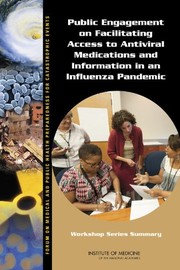
Public Engagement on Facilitating Access to Antiviral Medicat...
First published 2012. Subjects: Influenza, Antiviral agents, Epidemics, Epidemiology, Vaccination.
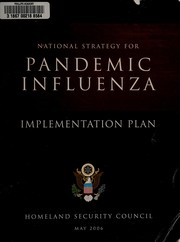
National Strategy for Pandemic Influenza Implementation Plan,...
First published 2006. Subjects: Emergency management, Influenza vaccines, Influenza, Government policy, Health planning.
Influenza Pandemic
First published 2011. Subjects: Influenza, United states, politics and government, Government policy, Influenza vaccines, Influenza A Vir...
eBay marketplace picks
Marketplace Samples
Example marketplace items related to this page. Use the search link to explore similar finds on eBay.

Example eBay listing
Custom Vaccine Nurse Mug Faux 3D Pink Crystal Syringe Medical RN Gift Cup
USD 23.99 | Free shipping | US
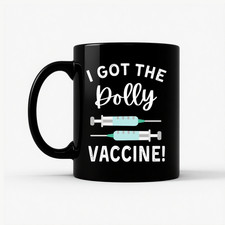
Example eBay listing
I Got The Dolly Vaccine Mug Funny Pro Vaccination Pro Vax Nurse Gift 11oz 15oz
USD 21.99 | Free shipping | US

Example eBay listing
Not Vaccinated Fully Protected Mug Pro Gun 2A Rights Anti Vaccine Gift 11oz 15oz
USD 24.99 | Free shipping | US

Example eBay listing
Operation Warp Speed COVID-19 Vaccine DoD Task Force Coronavirus Coffee Mug
USD 19.98 | US

Example eBay listing
A.I. Artificial Intelligence Movie Film Poster Art Print
GBP 4.99 | Free shipping | GB

Example eBay listing
A I Artificial Intelligence 6 Movie Poster Art Print Print Classic Rare Gallery
GBP 49.00 | Free shipping | GB

Example eBay listing
AI - Artificial Intelligence (Poster + Slipcase) Blu-Ray
GBP 10.49 | Free shipping | GB

Example eBay listing
A. I. Artificial Intelligence. Jude Law. Original UK Video Poster.
GBP 8.11 | Shipping GBP 3.38 | GB
Topic Tree